Team building
Wardley's Pioneers, Settlers & Town Planners
Identifying team members' strengths in pioneering, settling, or planning fosters a balanced and harmonious team dynamic.
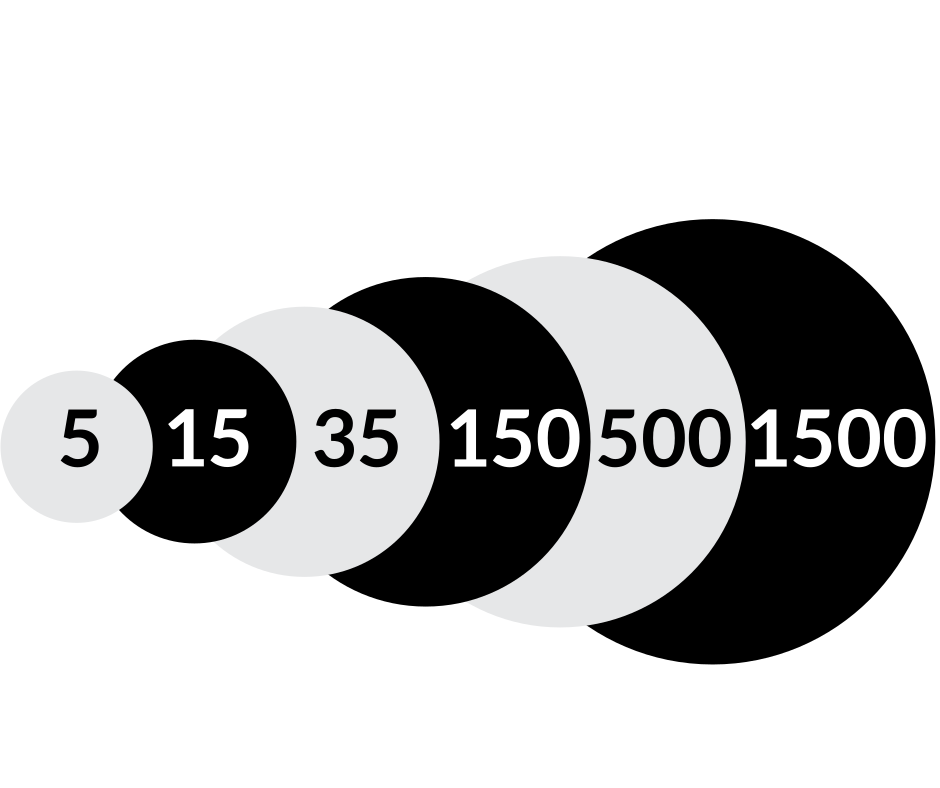
Dunbar's Number
Creating smaller teams or subgroups in a workplace can facilitate communication, collaboration, and trust.

Ikigai
Understanding Ikigai can help you create diverse and effective teams by recognizing and valuing the unique passions and skills of each member.
Similar Situations
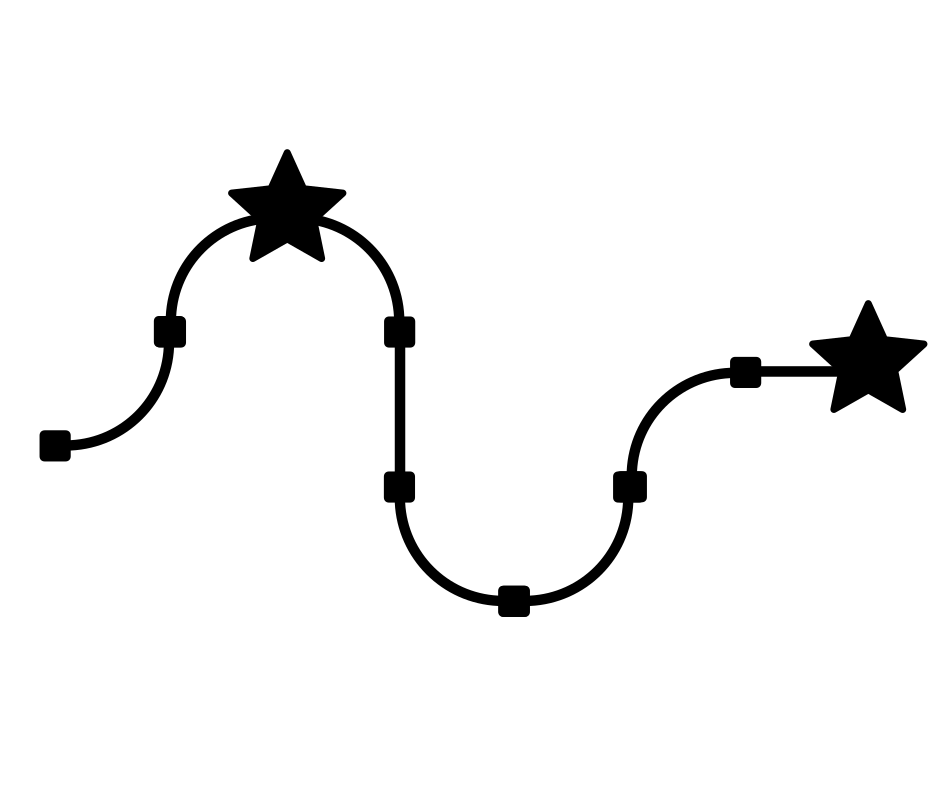
Peak-End Rule
Team-building exercises: Designing activities with peak experiences and concluding with a sense of accomplishment to strengthen team cohesion.

Kubler-Ross Curve
Team management: Guiding and supporting team members through organizational changes or challenges.

Five Stages of Tribal Leadership
Team Building Activities: Tailoring activities to your group's stage can improve bonding and progress. Stage 2 teams might benefit more from activities that build self-confidence, while Stage 4 teams might appreciate collaborative challenges.
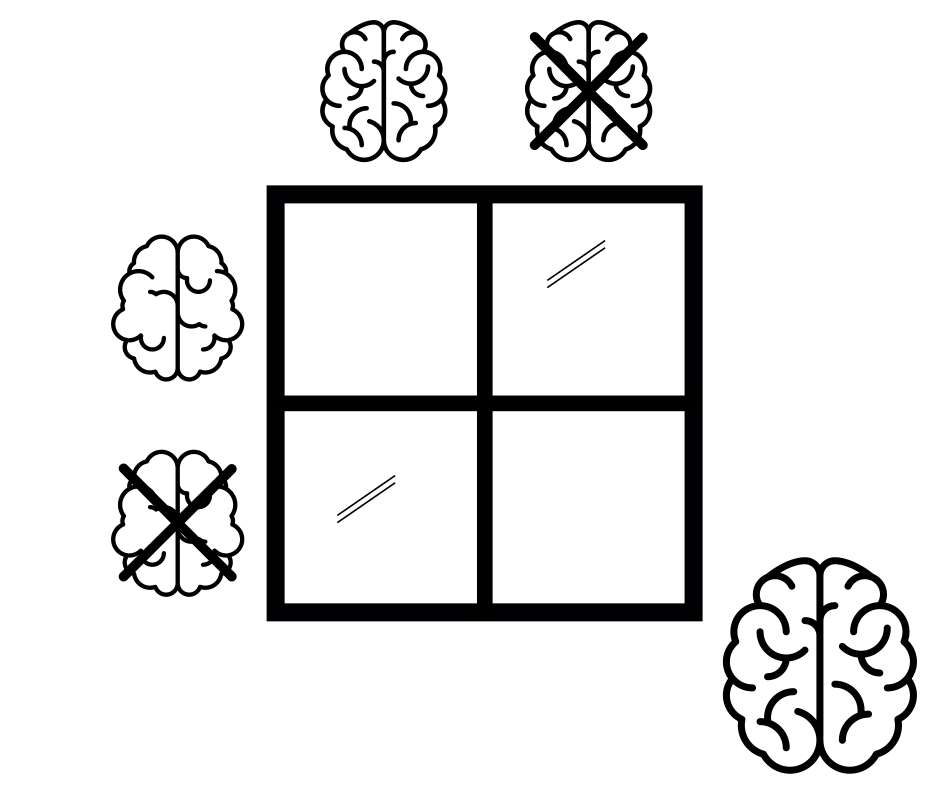
Johari Window
Leadership Skills: Guiding teams by understanding the needs and motivations of team members.
Stanford Prison Experiment by Zimbardo
Team-building exercises: Emphasizing cooperation, empathy, and understanding of others' perspectives.
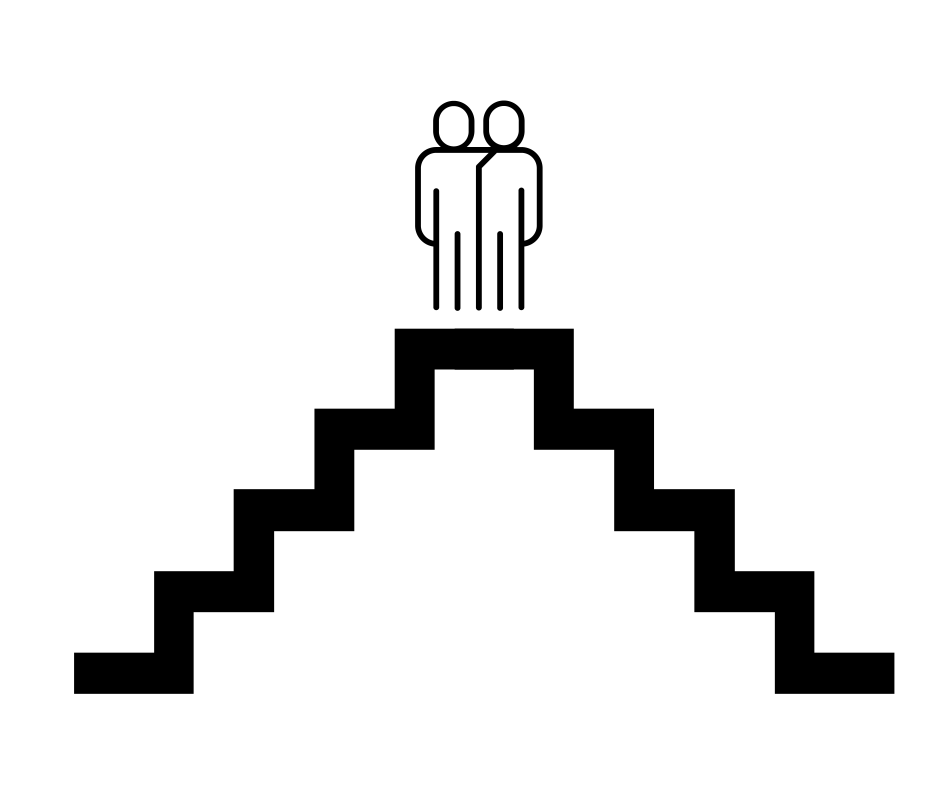
Knapp's Relationship Model
Negotiating partnerships: Awareness of the model stages informs trust-building and long-term collaboration.
Stanford Marshmallow Experiment
Relationship building: Choose to invest in long-term, meaningful relationships over short-term, superficial connections.
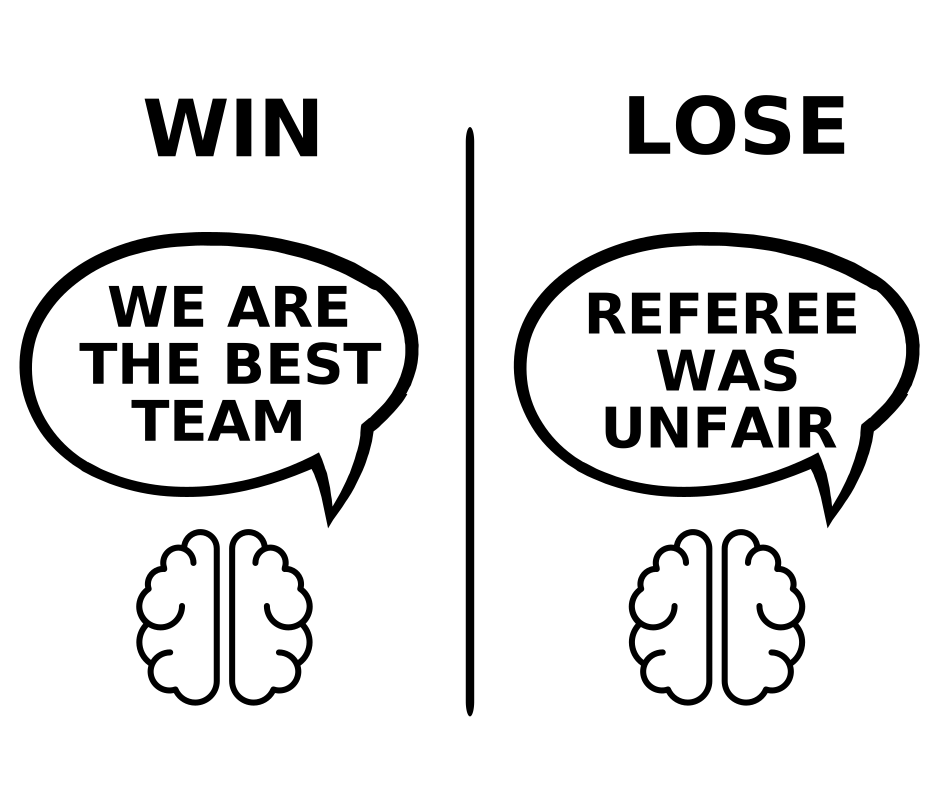
Self-Serving Bias
Team Sports: Understanding the bias helps players acknowledge the team effort behind victories and take collective responsibility for losses, enhancing teamwork.

Ishikawa Diagram
Team collaboration: Ishikawa Diagrams can be used to facilitate team collaboration and communication, enabling teams to work together more effectively.
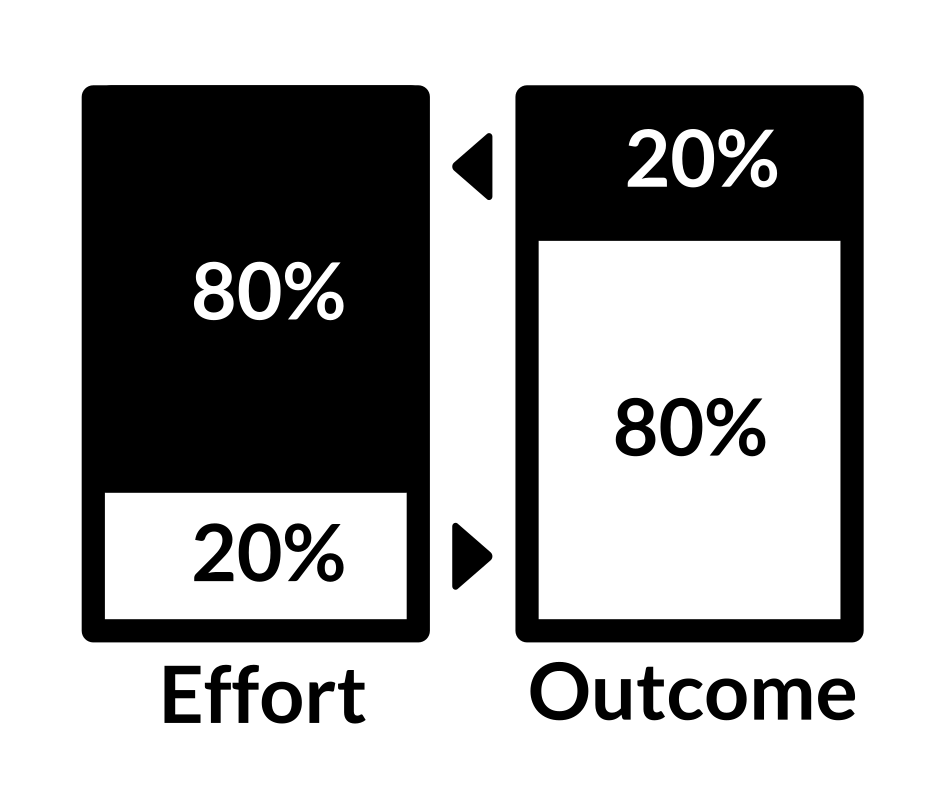
Pareto Principle
Team management: Identifying and supporting the team members who contribute the most to the team's success.