Medical decision-making
3 principles worth knowing here.
Confirmation Bias
Avoid leaning only on anecdotes or personal beliefs when making health decisions.
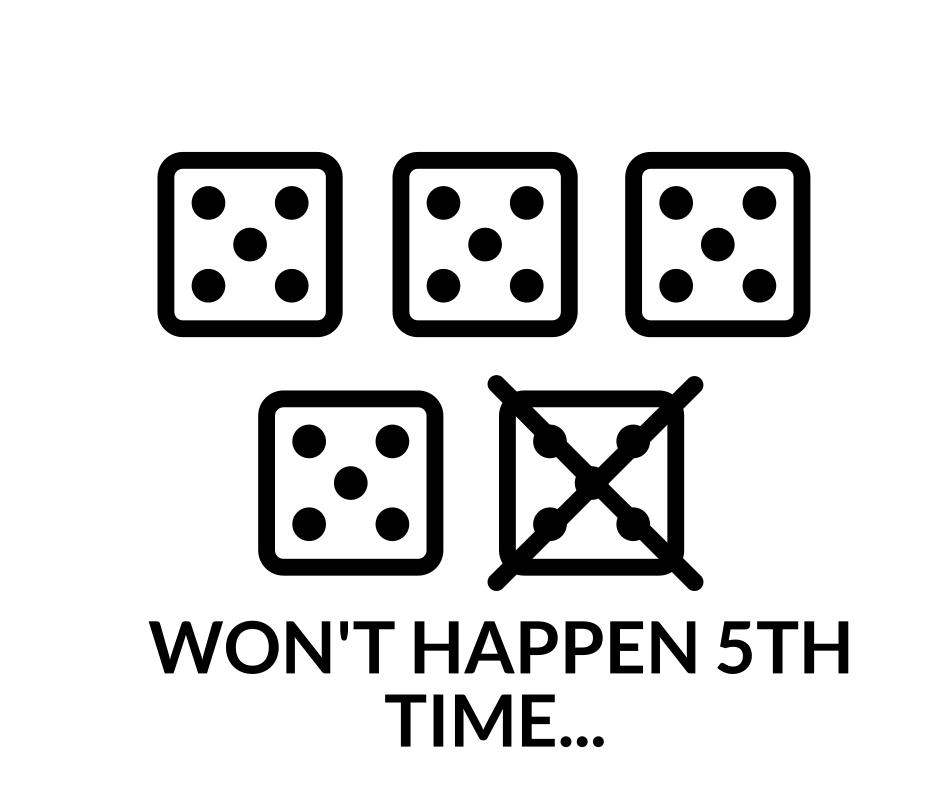
Gambler's Fallacy
Choose treatments and medications on the evidence, not on a hunch drawn from recent ups and downs.

Birthday Paradox
Topic: Deep probability Understanding. Probability concepts help you understand the real likelihood of a health outcome or a treatment's side effects.
Similar situations

Decision-making
Plutchik's Wheel
Noticing which emotions are steering a decision so you can choose more clearly.
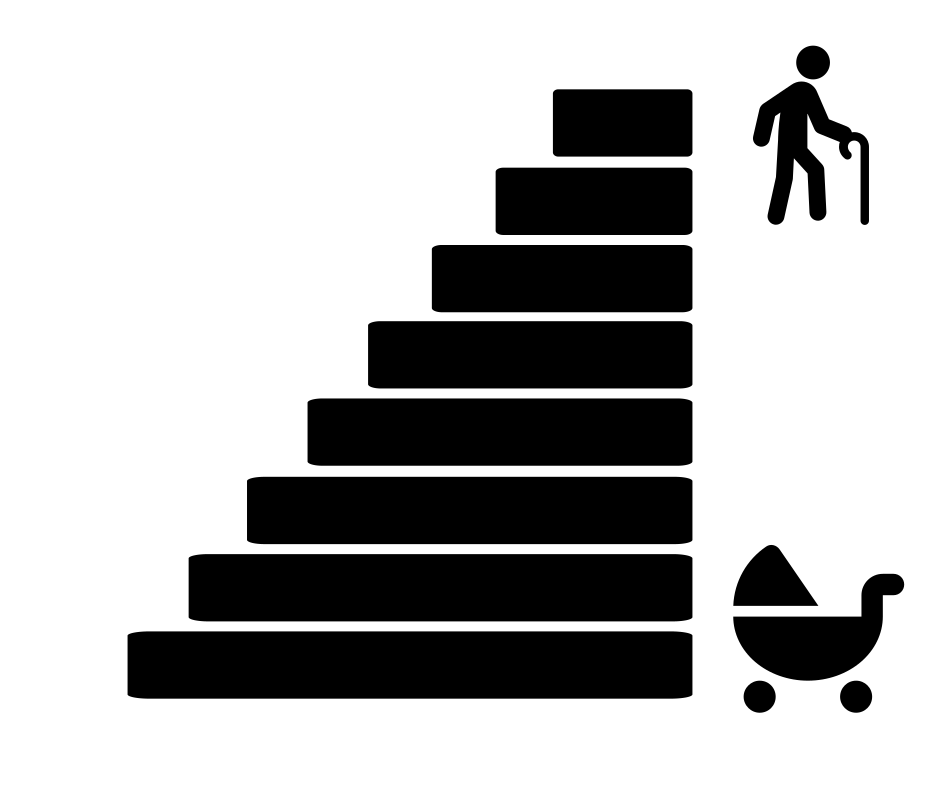
Healthcare Decisions
Erikson's stages of Development
Patients and providers can weigh how a medical decision will affect someone psychosocially.
Ethical decision-making
The Barber Paradox
Thinking through moral dilemmas and making reasoned choices grounded in ethical principles.

Making a Critical Decision Under Pressure
Belbin's Nine Team Roles
The Shaper speeds the decision along while the Monitor Evaluator weighs every option before the final call.
Decision-making
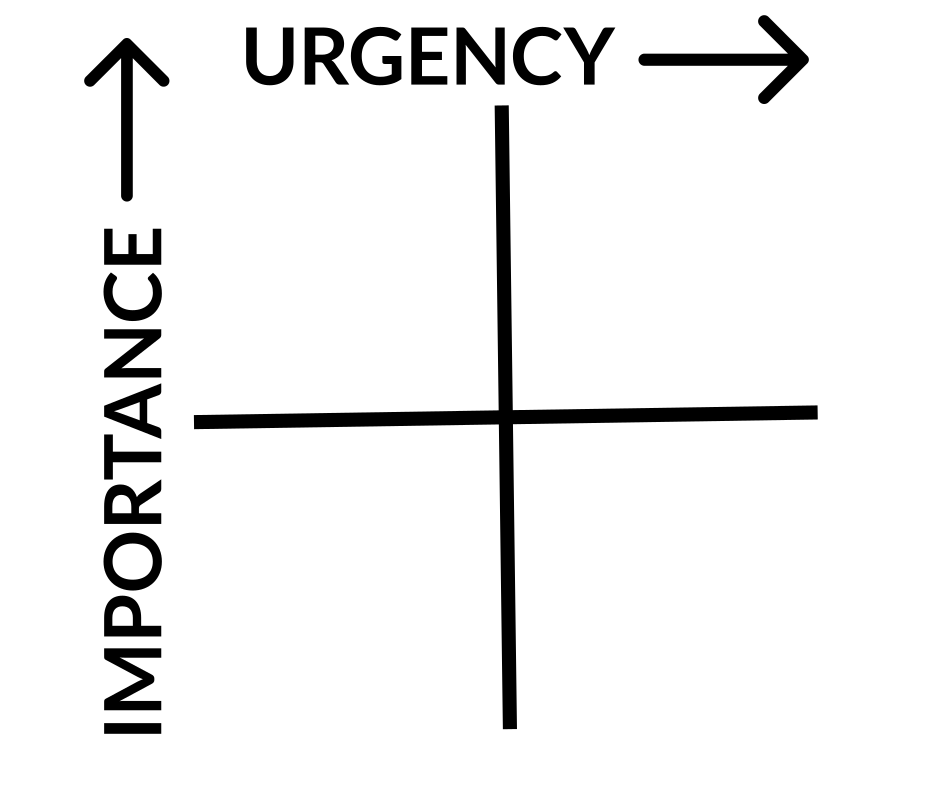
Eisenhower Matrix
Judge choices by their urgency and importance to make better-informed decisions.
Decision-making
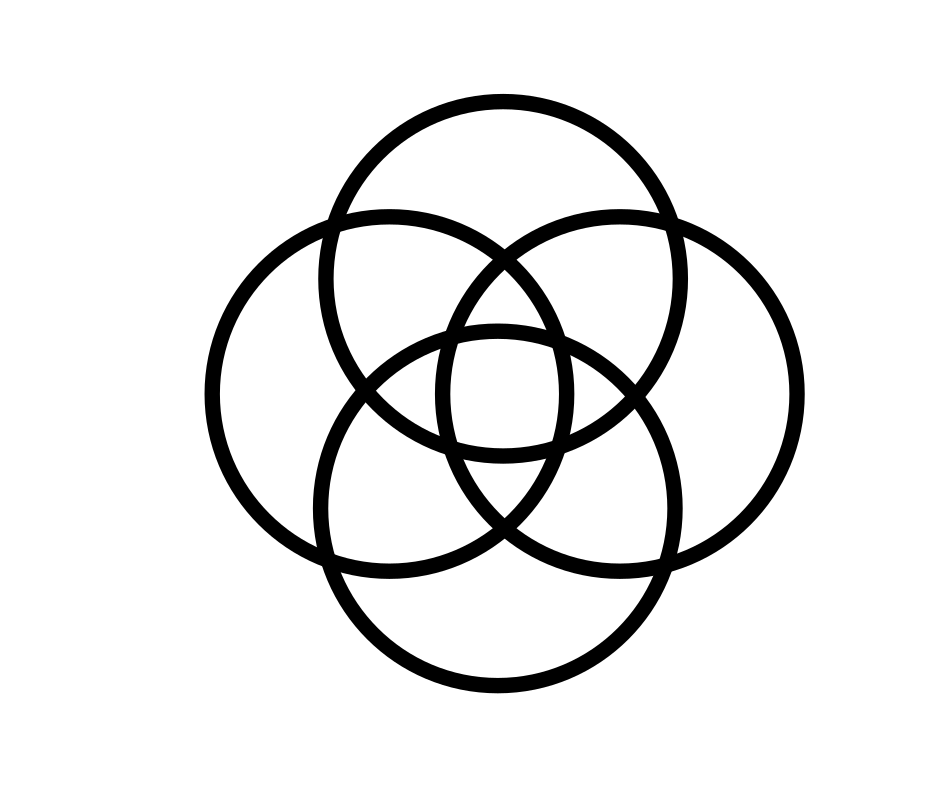
Ikigai
Checking options against your values, skills and passions leads to better-informed decisions.

Decision-making
Sorites Paradox
Seeing how the parts of a situation fit together, and where small factors add up, leads to better decisions.
Decision-making
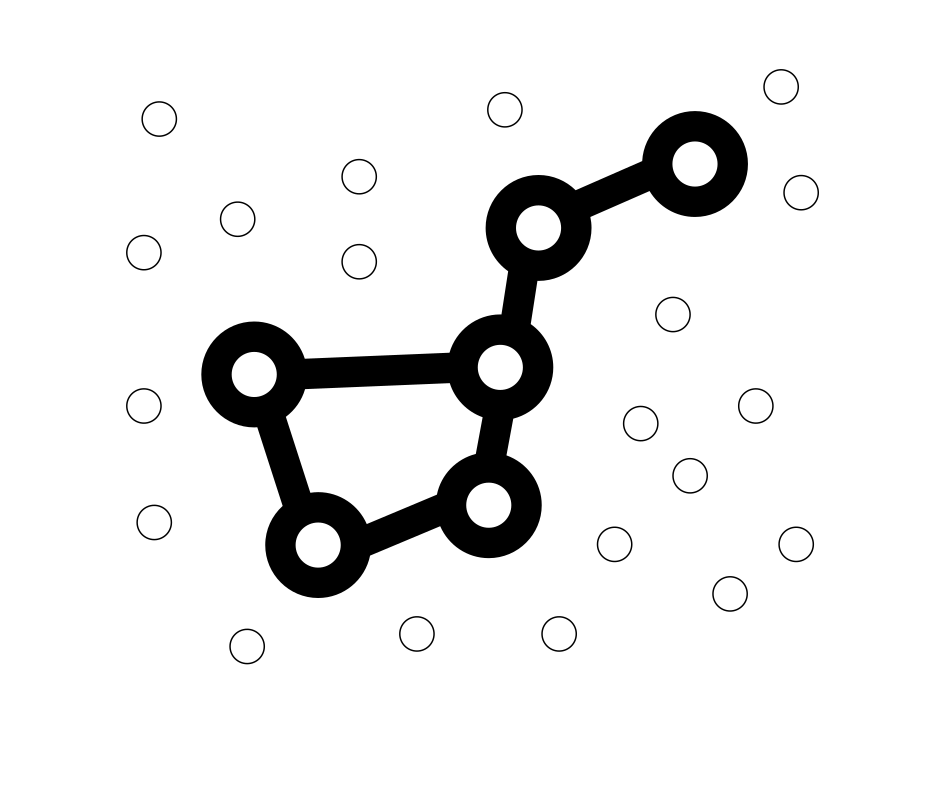
Clustering Bias/Illusion
Across life, resisting the urge to see patterns in random events leads to more rational choices.

Decision-making
Ikea Effect
Recognizing when the effect is shaping your choices and aiming for a more objective view.
Decision-making
Birthday Paradox
Thinking in probabilities helps you weigh risks and compare options in everyday choices.