Similar Situations

Pessimism Bias
Business ventures: Knowing pessimism bias can help you create more optimistic business plans and strategies, accounting for potential opportunities and successes.

Ishikawa Diagram
Business process optimization: Ishikawa Diagrams can help identify the root causes of inefficiencies in business processes, leading to improved process optimization.
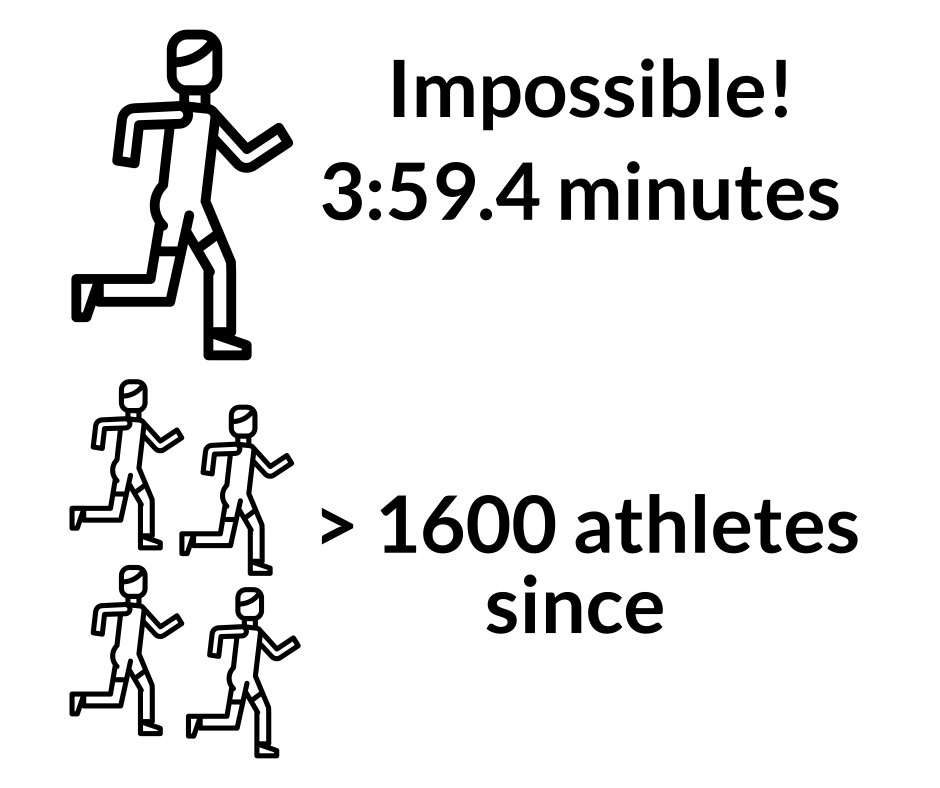
Bannister Effect
Entrepreneurship: Seeing someone start a small business and succeed can give you confidence to pursue your own business idea.

SWOT Analysis
Entrepreneurial Ventures: Before starting a small business, entrepreneurs can use SWOT to assess their business idea, understand the market, and plan for potential challenges.

I, T, X-shaped skills
Entrepreneurship: X - Integrating insights from various fields enhances business innovation.

Wardley's Pioneers, Settlers & Town Planners
Research and Development: Allocating resources based on the Pioneers, Settlers, and Town Planners model improves the efficiency and effectiveness of R&D initiatives.

Five Stages of Tribal Leadership
Career Counseling: Career counselors can use this model to help individuals understand the culture of potential workplaces and how it might impact their job satisfaction and growth opportunities.

Minto Pyramid
Developing marketing campaigns: Minto Pyramid can help you structure your marketing campaign in a way that is compelling and effective, resulting in better outcomes for your business.
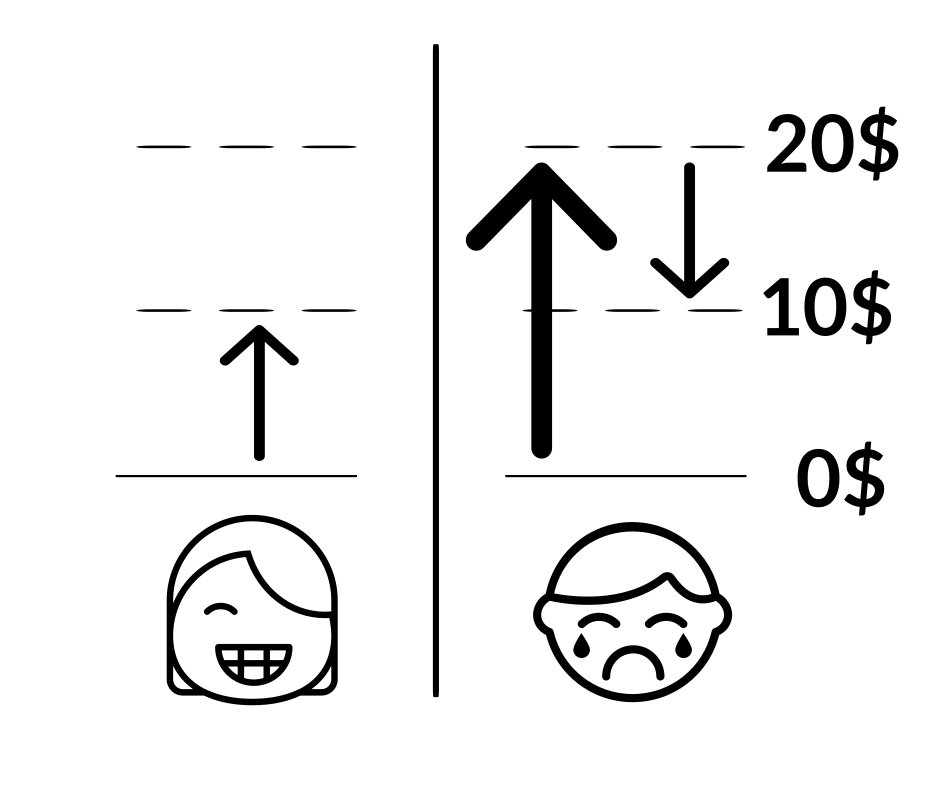
Loss Aversion
Entrepreneurship: Knowing loss aversion can help you make more rational decisions about starting or expanding a business by focusing on potential gains rather than potential losses.
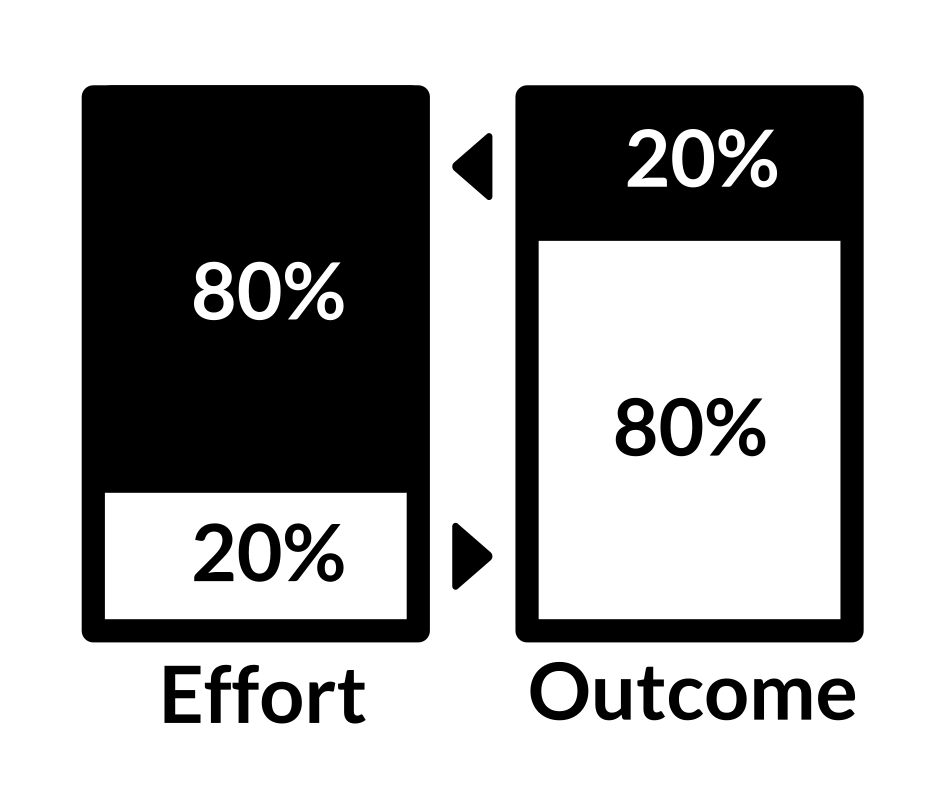
Pareto Principle
Business strategy: Focusing on the most profitable products, services, or customers to maximize returns.