Job offers
3 principles worth knowing here.

Monty Hall Problem
Topic: Deep probability Understanding. Compare opportunities by the likelihood of job satisfaction and career growth.
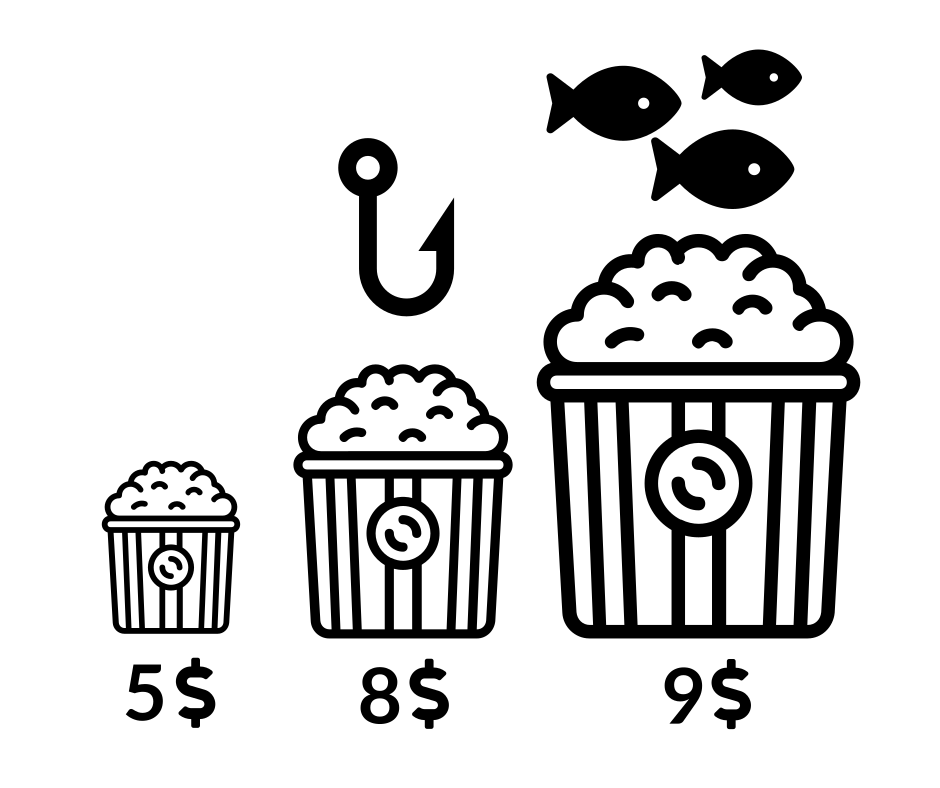
Decoy Effect
Judge each offer on its own terms, without letting a clearly worse offer make another look better than it is.

Confirmation Bias
Weigh both the pros and the cons of an offer, not just the ones you hoped to find.
Similar situations

Career planning
The Barber Paradox
Comparing job offers and career paths by laying out the pros and cons.
Career choices
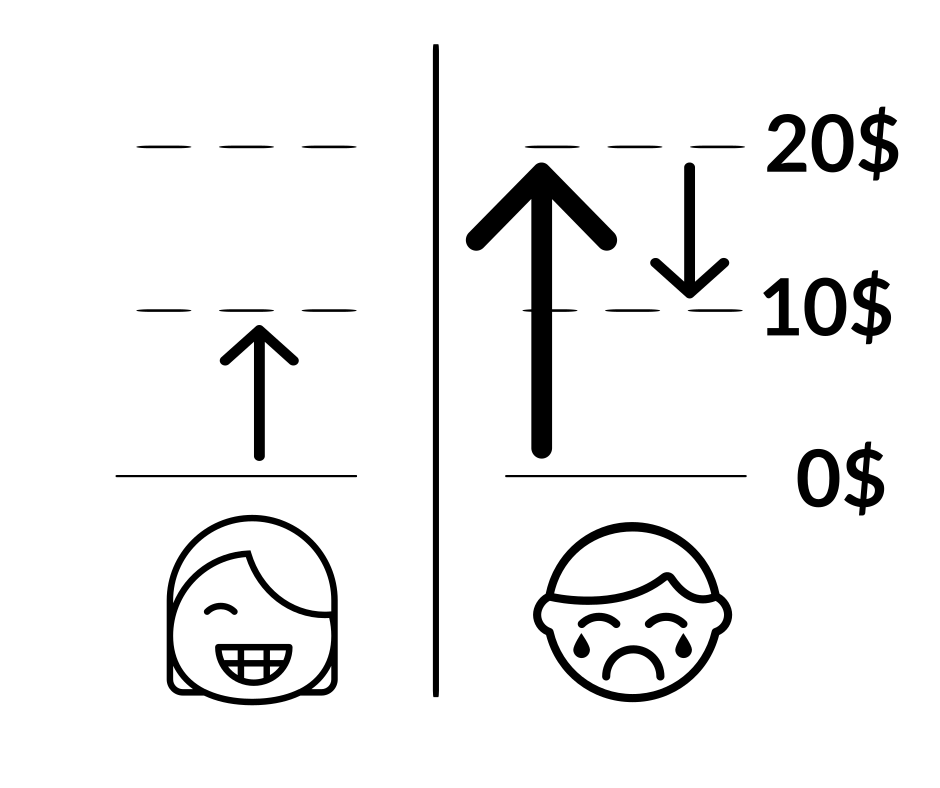
Loss Aversion
Not letting fear of losing current stability make you overly cautious about job offers or promotions.

Career decisions
Pessimism Bias
Weighing job offers or promotions more fairly by giving the likely benefits and successes their due.

Career decisions
Clustering Bias/Illusion
A string of wins or setbacks at work doesn't have to define your path, so judge job offers and promotions on their merits.

Job Interviews
Anchoring
Don't let the first offer you get set your expectations, and consider the wider market and your qualifications.

Job satisfaction
Ikigai
Connecting your daily work to your Ikigai makes the job feel more worthwhile.

Job searching
Maslow's Hammer
Combine networking and job boards instead of only applying to posted positions.

Job loss
Kubler-Ross Curve
Moving through the emotional stages of losing a job so you can recover and move on.

Job Satisfaction
Big Five Personality Traits
Checking how well your traits fit a job's demands can lead to a more fulfilling career.

Job Interviews
SWOT Analysis
Mapping your strengths and weaknesses against the job market's opportunities and threats makes for sharper interview prep.