Tracking progress on long-term goals

Belbin's Nine Team Roles
Monitor Evaluator helps assess progress with critical thinking, and Coordinator keeps everyone focused on the overall objective.
Similar Situations
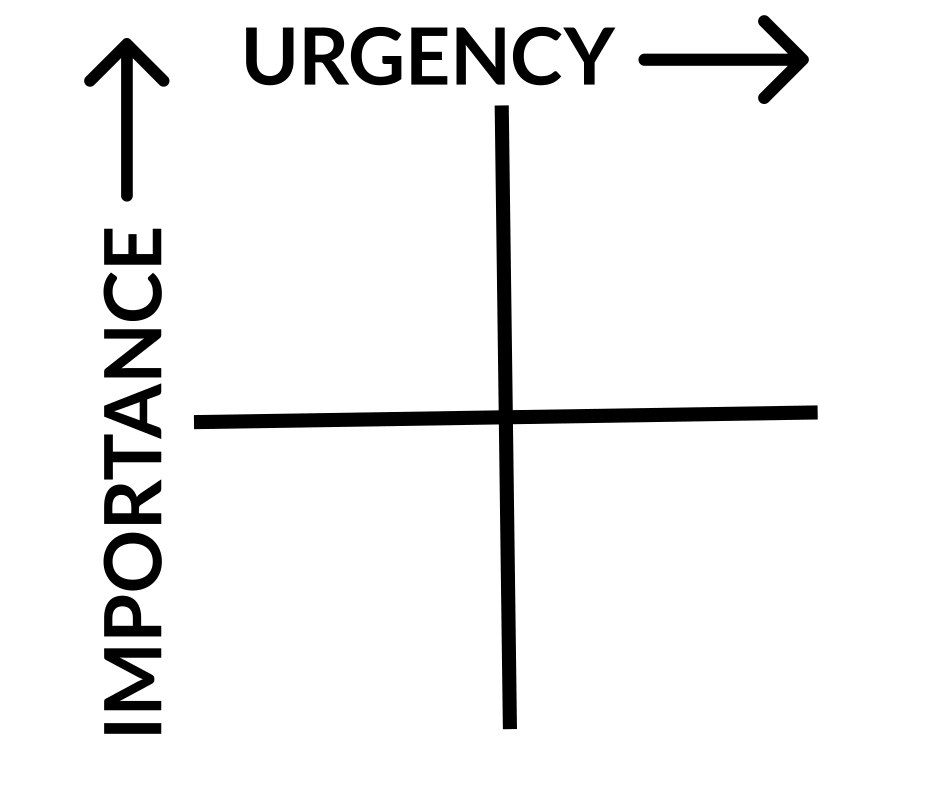
Eisenhower Matrix
Goal-Setting: Identifying short-term and long-term goals based on their importance and urgency.

10-10-10 Rule
Personal Development: When setting personal goals or habits, consider the short-term effort required, the progress you'll make in the medium term, and the long-term benefits for self-improvement and growth.

Gall's Law
Setting personal goals: Choose one achievable step before mapping long-term plans.
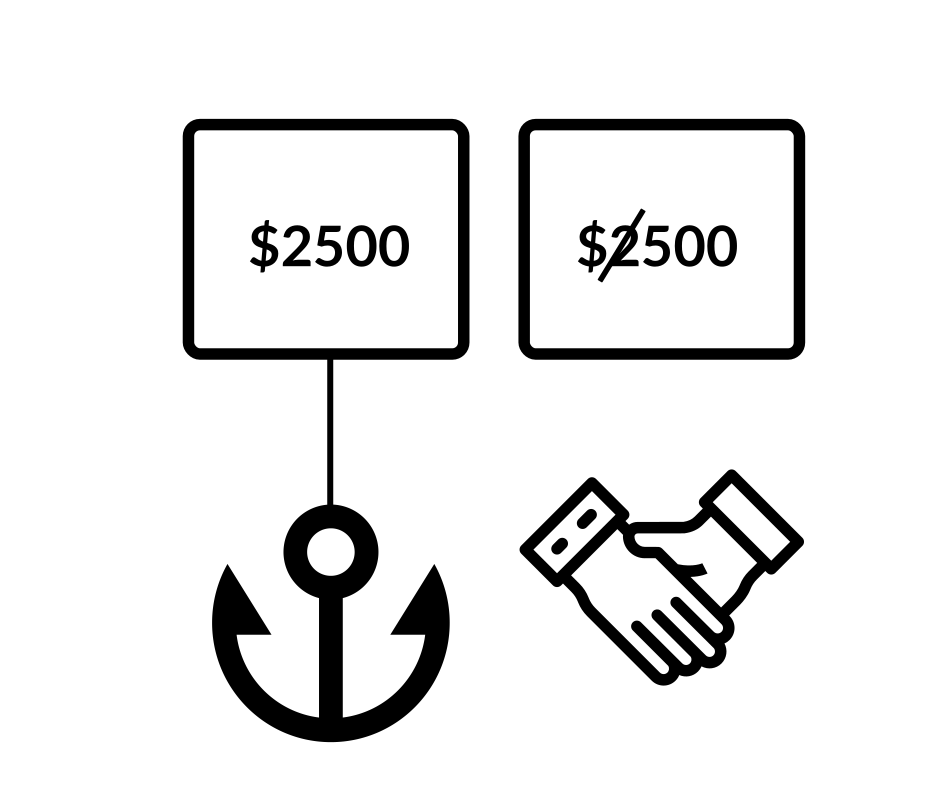
Anchoring
Fitness goals: Set realistic goals by not anchoring on arbitrary numbers or past performance, and focus on your personal progress.

Pessimism Bias
Fitness goals: Recognizing pessimism bias can help you set realistic and achievable fitness goals, maintaining a positive outlook on your progress and potential improvements.

Hilbert's Paradox of the Grand Hotel
Long-term planning: (Topic: Deep understanding of infinity and its types) Developing a better understanding of the long-term consequences of decisions, both immediate and distant.

Stanford Marshmallow Experiment
Teamwork: Prioritize group goals over individual achievements for the long-term success of the team.

Ikigai
Financial planning: Considering your Ikigai can help you make more thoughtful financial decisions that align with your values and long-term goals.

Nocebo Effect
Coping with Chronic Conditions: Minimizing the impact of the nocebo effect on the management of long-term health conditions.

Pain vs Boredom Experiment
Decision Making: Evaluating choices based on long-term benefits rather than temporary relief from boredom.