Office organization

60-30-10 Rule
Use the rule to organize and decorate your workspace for a visually appealing and motivating environment.
Similar Situations
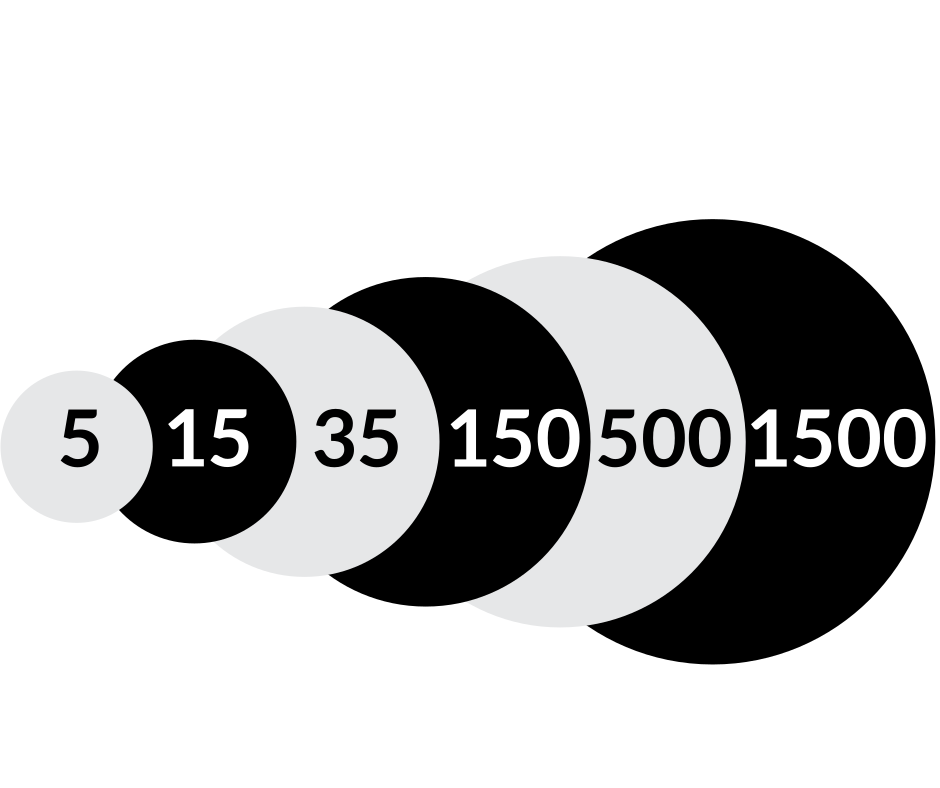
Dunbar's Number
Club or organization membership: Joining smaller clubs or organizations can facilitate stronger connections and a greater sense of belonging.
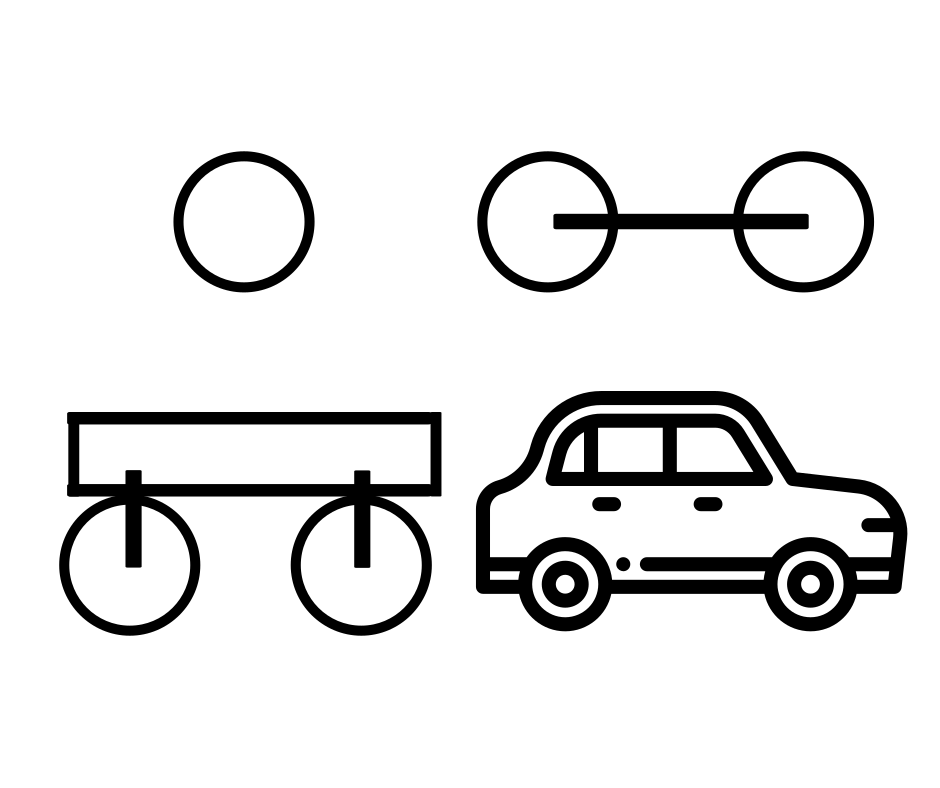
Gall's Law
Organizing your home: Tidy one small area before building an entire organization system.
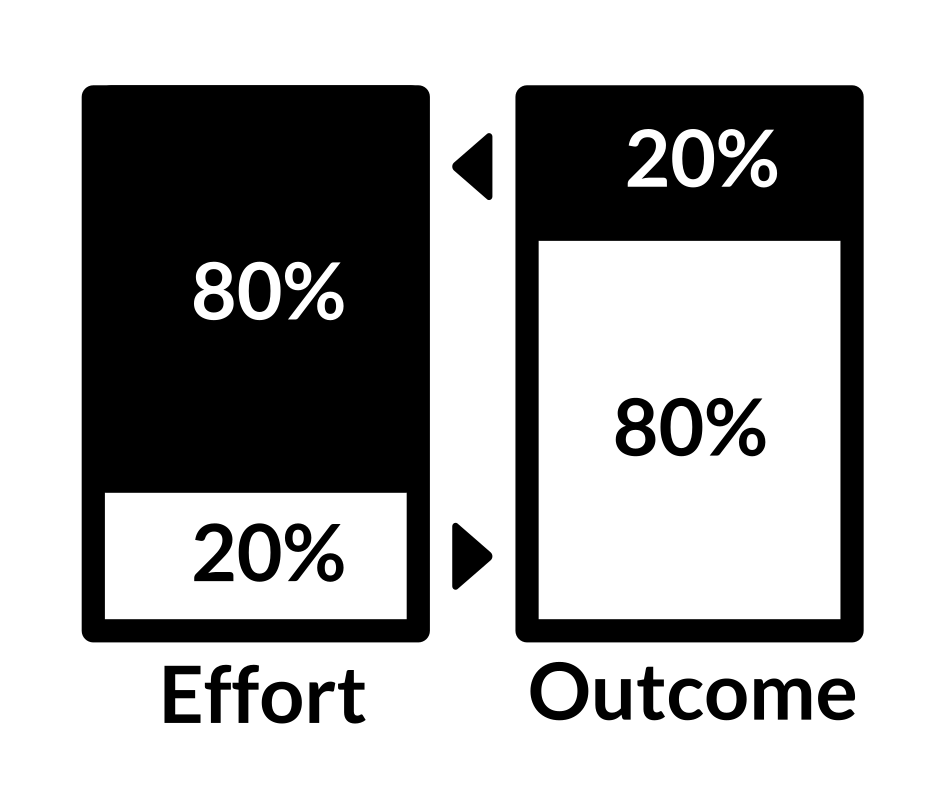
Pareto Principle
Household chores: Focusing on the few tasks that have the most significant impact on cleanliness and organization.
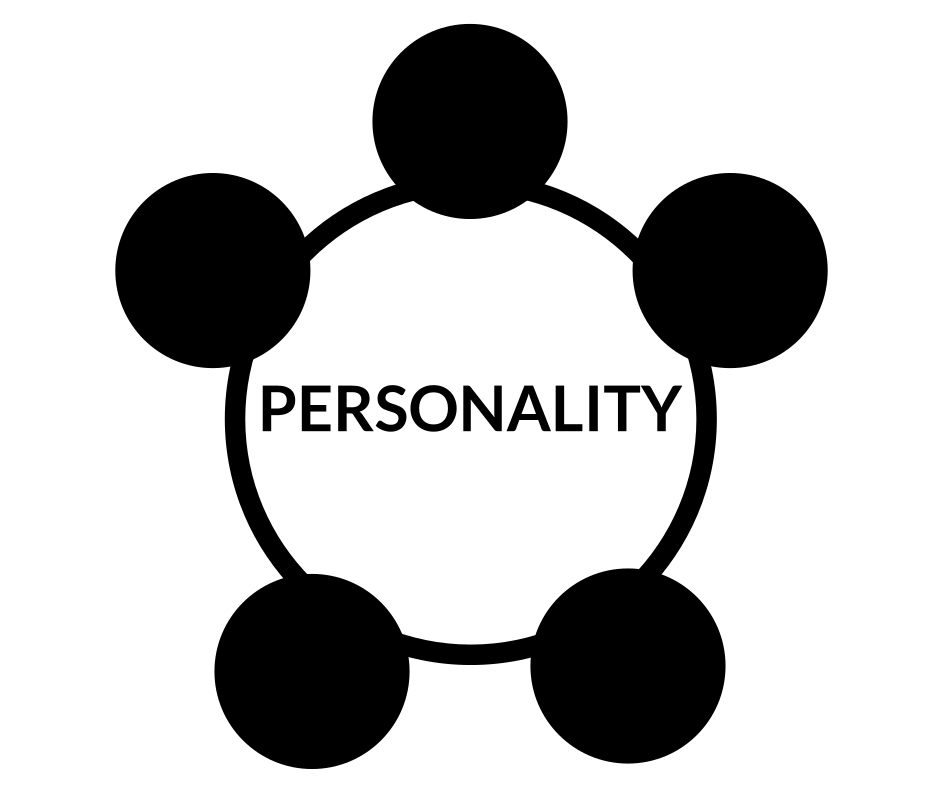
Big Five Personality Traits
Time Management: Understanding your own personality traits related to organization and procrastination can lead to better time management strategies.

Broken Window Effect
Maintaining shared office spaces: Like break rooms or bathrooms; if they look cared for, coworkers are more likely to respect them.

Ikea Effect
Home organization: Understand that you may be more attached to items you've organized yourself, making it harder to declutter or reorganize.
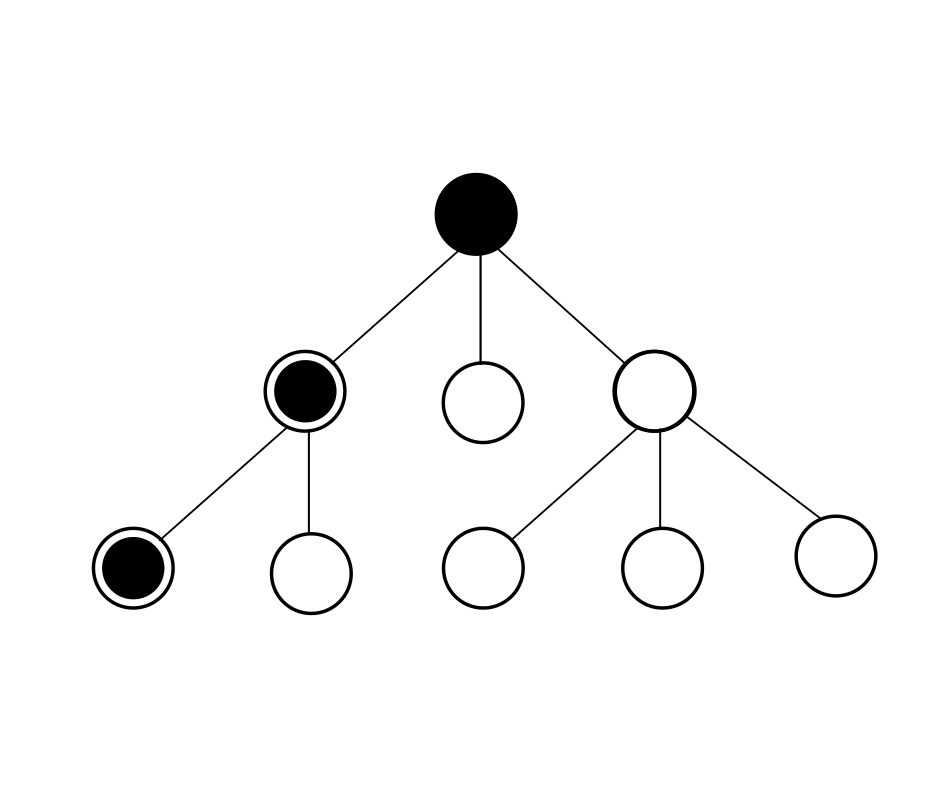
Depth-First Search
Home organization: Applying DFS to declutter and organize one room or area of your home before moving on to the next can lead to a more thorough and efficient process.
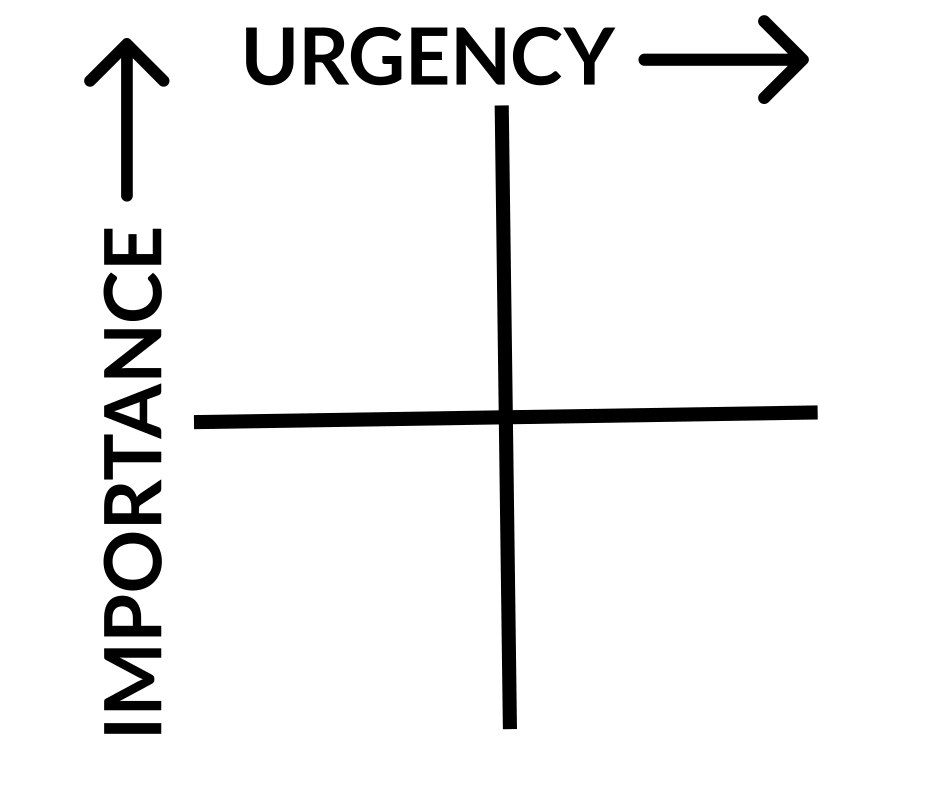
Eisenhower Matrix
Personal organization: Streamlining personal belongings and decluttering based on the importance and urgency of items.
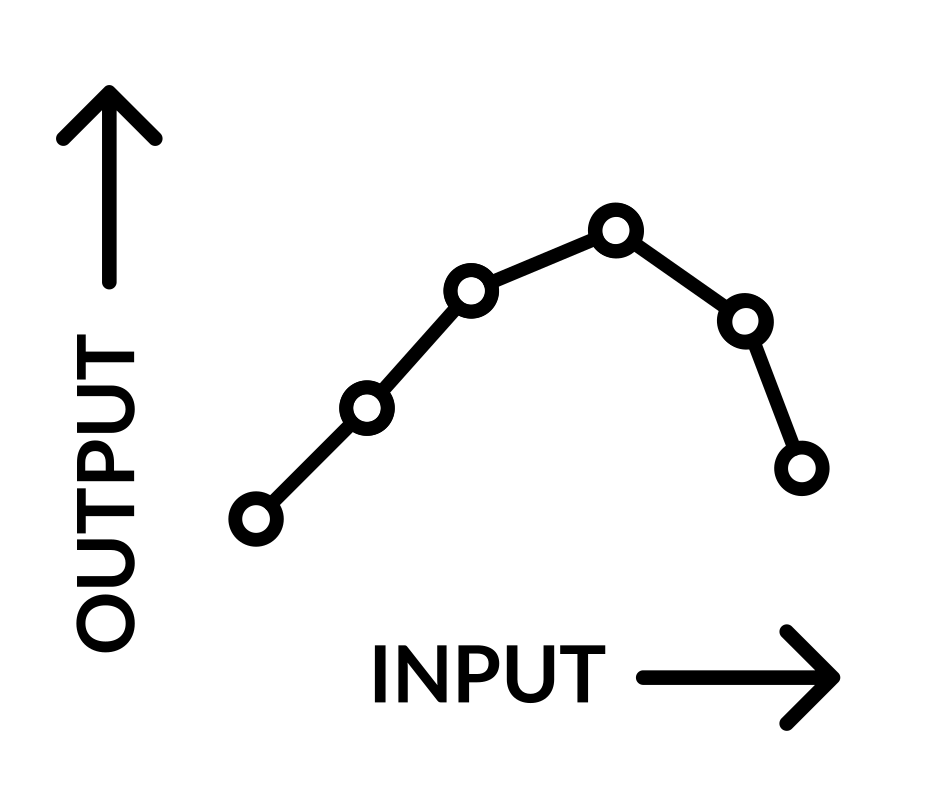
Law of Deminishing Returns
Home organization: Storing items effectively without overcrowding spaces and making them difficult to navigate.
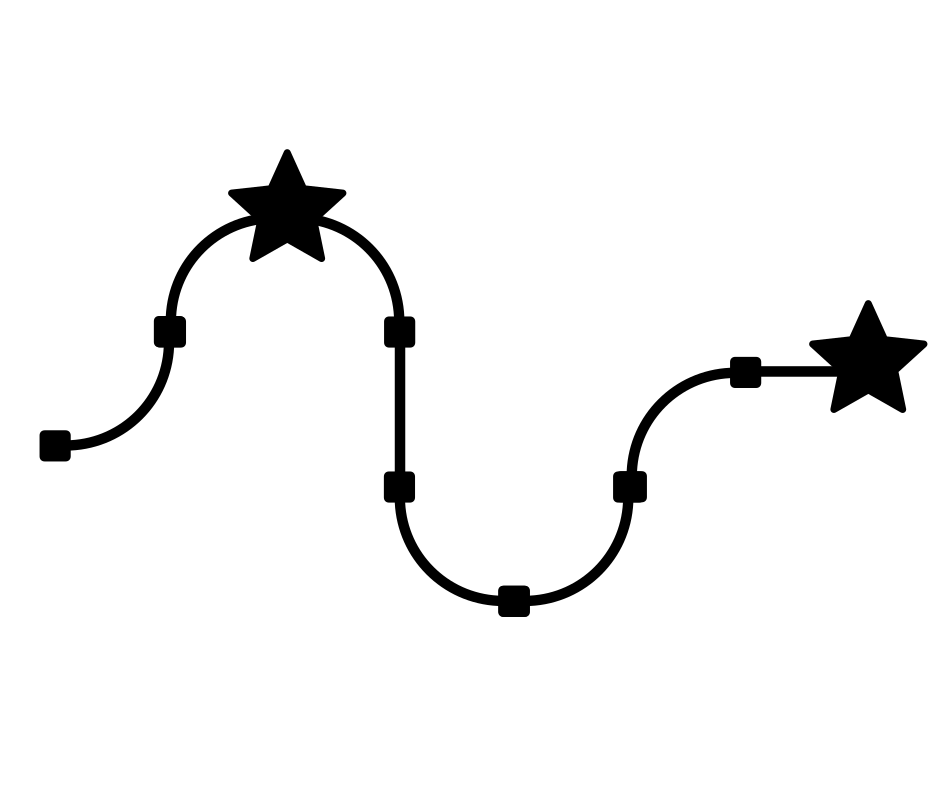
Peak-End Rule
Home organization: Prioritizing the arrangement of frequently-used or visually-appealing items to create a more pleasant living environment.