Game design
3 principles worth knowing here.
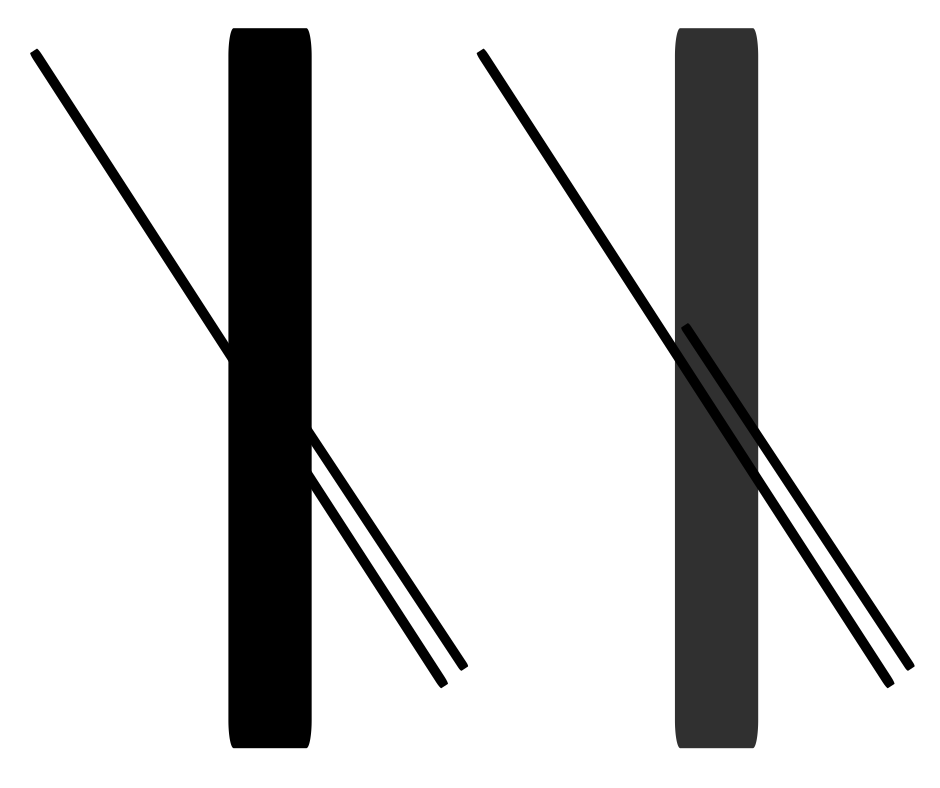
Poggendorff Illusion
Game designers can build the illusion into environments to create unusual challenges or add realism.

Birthday Paradox
Topic: Deep probability Understanding. Use probability to build balanced, engaging experiences for players.
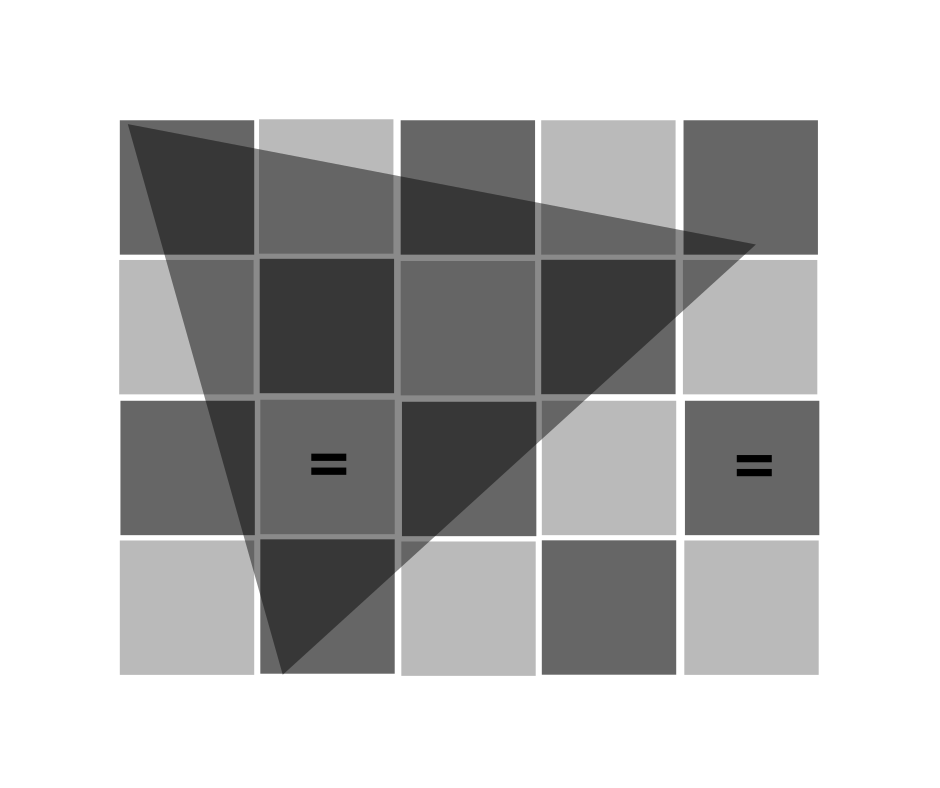
Checker Shadow Illusion
Build immersive, realistic worlds by considering how color and shadow affect what players perceive.
Similar situations
Package Design
Checker Shadow Illusion
Design packaging that stands out and communicates clearly on a crowded store shelf.

Packaging Design
60-30-10 Rule
Design product packaging with a clear colour hierarchy that stands out on the shelf.
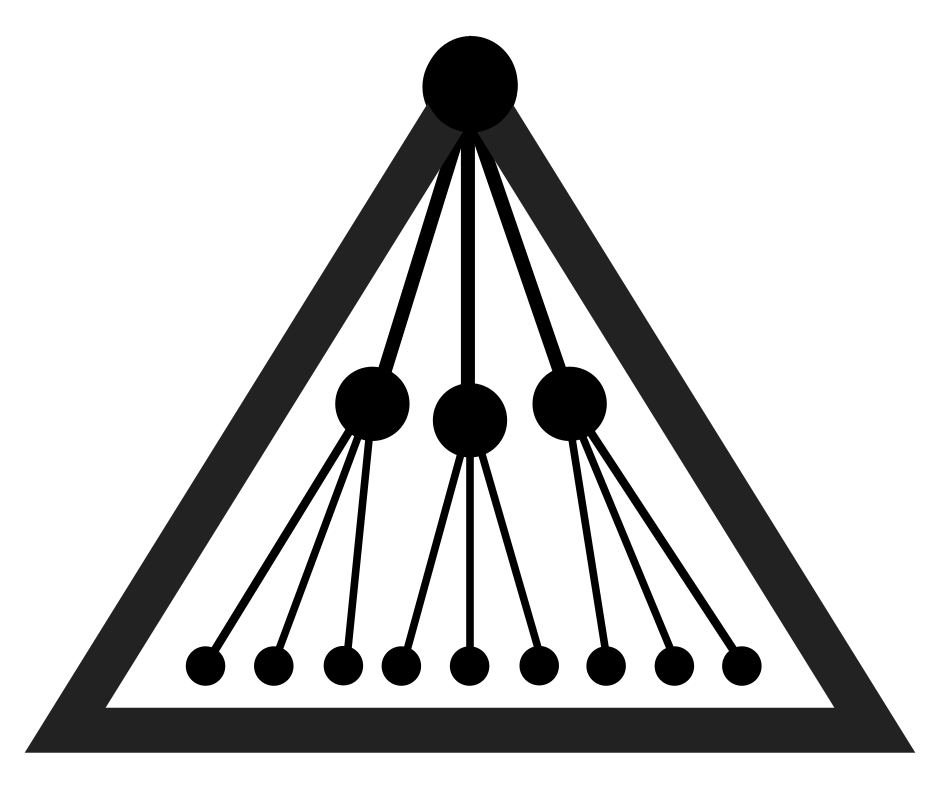
Designing products
Minto Pyramid
Structuring the design process so every relevant factor is considered and the product meets user needs.

Product design
Morris Massey's Stages of Value Development
Designers can create products that fit what people value at different stages of life.
Fashion Design
Poggendorff Illusion
Designers who understand how the illusion affects lines and patterns can create more striking garments and accessories.
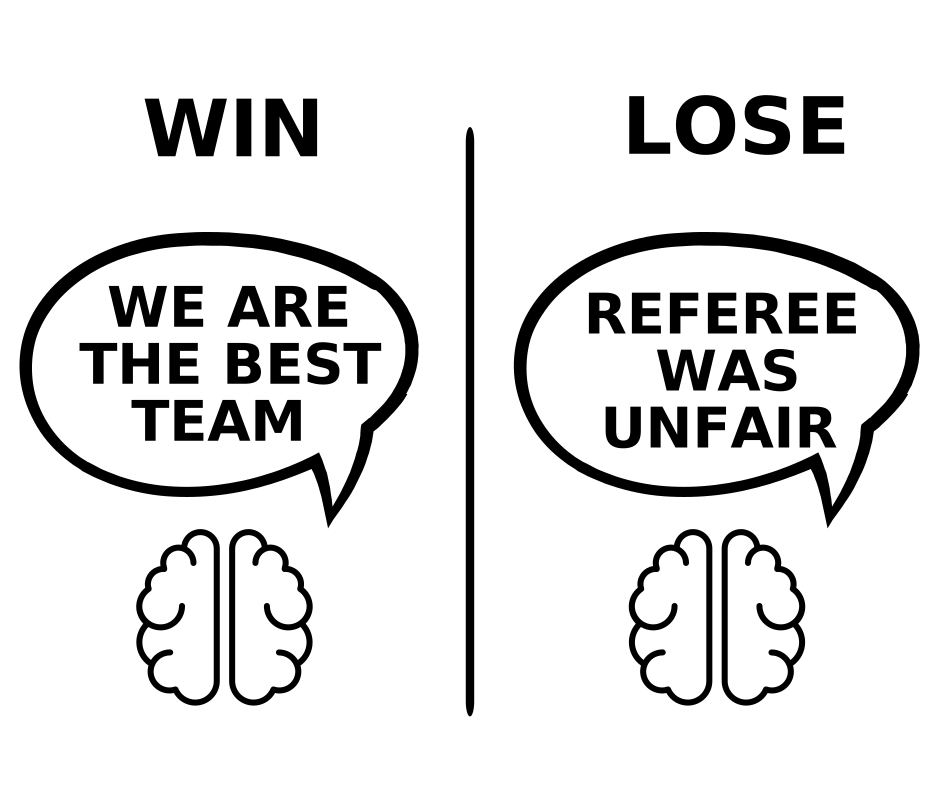
Relationships
Self-Serving Bias
Spotting the bias helps you skip the blame game and understand each other better.

Sports rituals
Skinner's Superstition Experiment
Pre-game rituals don't decide the result, so put your energy into skills and practice.
Icebreakers
Birthday Paradox
Run the Birthday Paradox as a quick game at a social or work gathering to get people talking.
Community development
Maslow’s Hierarchy of Needs
Using the hierarchy to design social programmes and policies that actually work.

Social experiments
Stanford Prison Experiment by Zimbardo
Design research that protects participants from the kind of harm the SPE caused.