Learning a new language
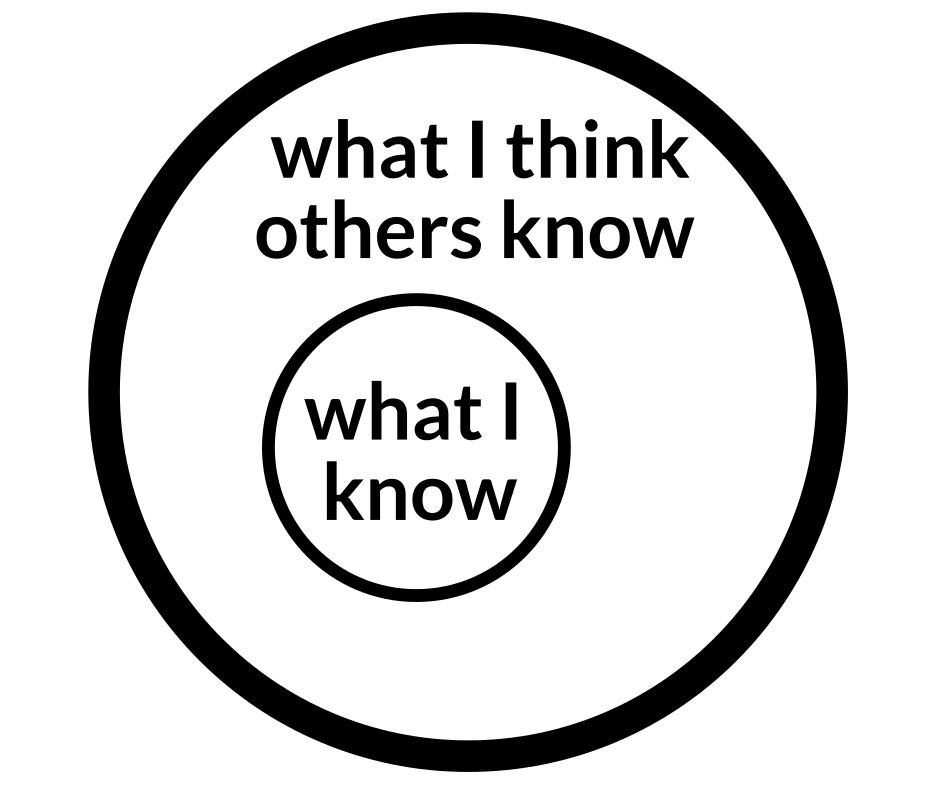
Imposter Syndrome
Understanding Imposter Syndrome helps learners push past embarrassment and keep practicing.
Similar Situations
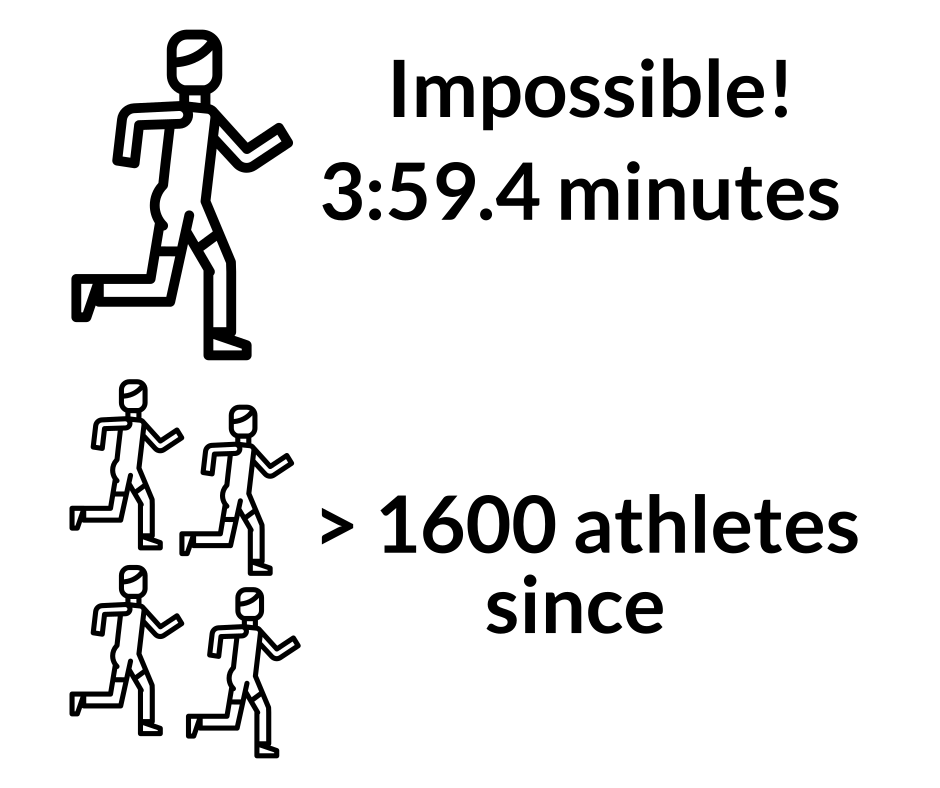
Bannister Effect
Learning a new skill: Believing that learning to play an instrument or pick up a new language is possible because others have done it, encourages you to try.
SMART Goals
Learning a Skill: Setting measurable objectives for learning a new skill can enhance proficiency.

Cynefin Framework
Learning a new skill: Identify the level of complexity and choose the most effective learning approach (e.g., self-study, mentorship, or professional courses).
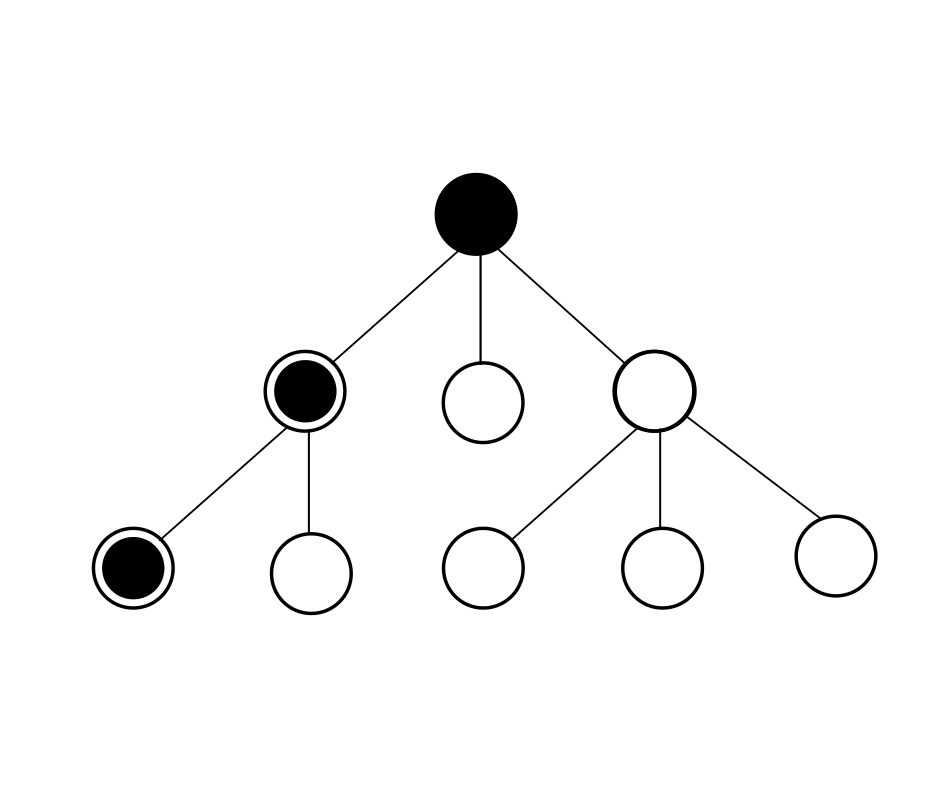
Depth-First Search
Learning a new skill: DFS can help you focus on mastering one aspect of a skill before moving on to the next, leading to a solid foundation and better overall proficiency.
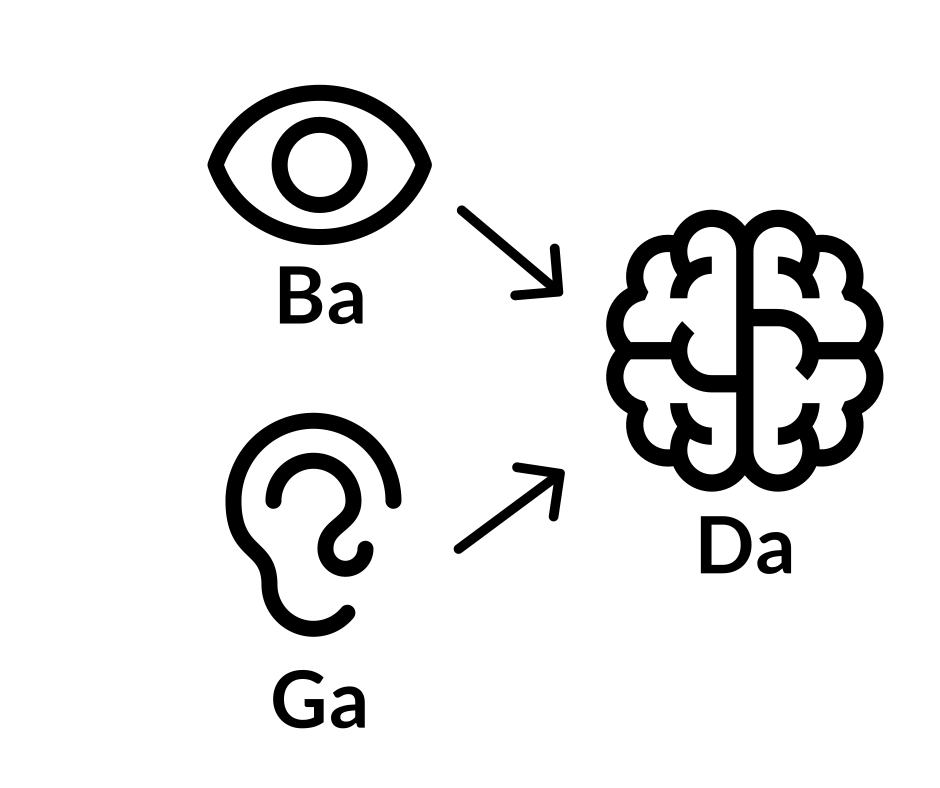
McGurk Effect
Language Learning: Improving pronunciation and comprehension by paying attention to lip movements.
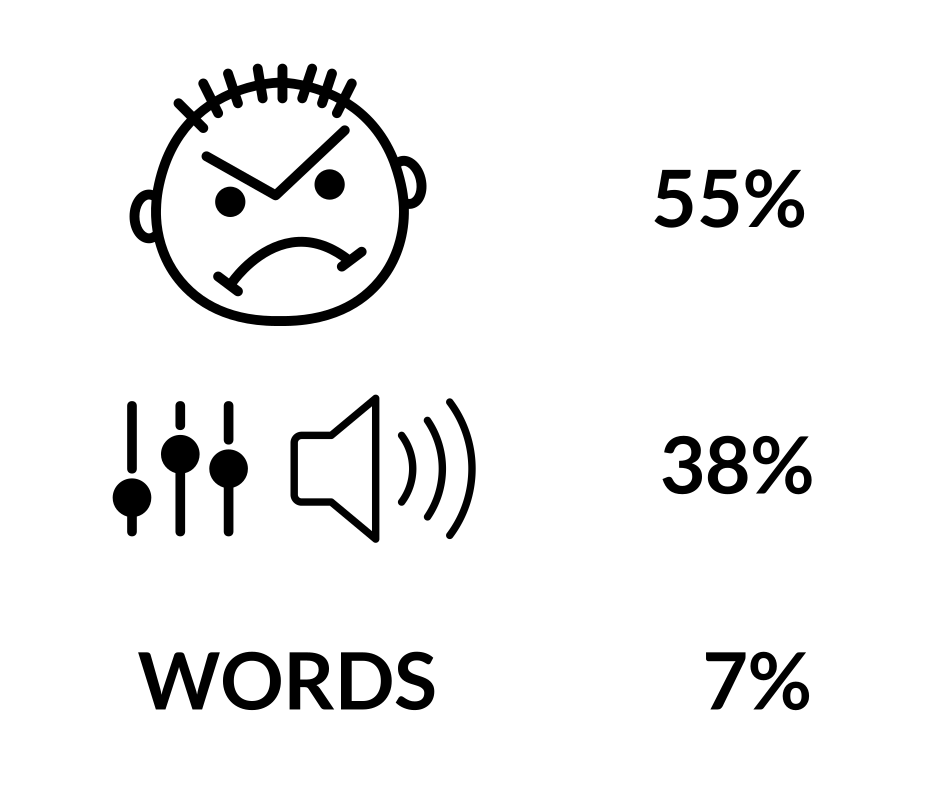
7-38-55 Rule
Social Events: Connecting with new acquaintances by paying attention to non-verbal cues and adjusting your body language and tone to foster rapport.
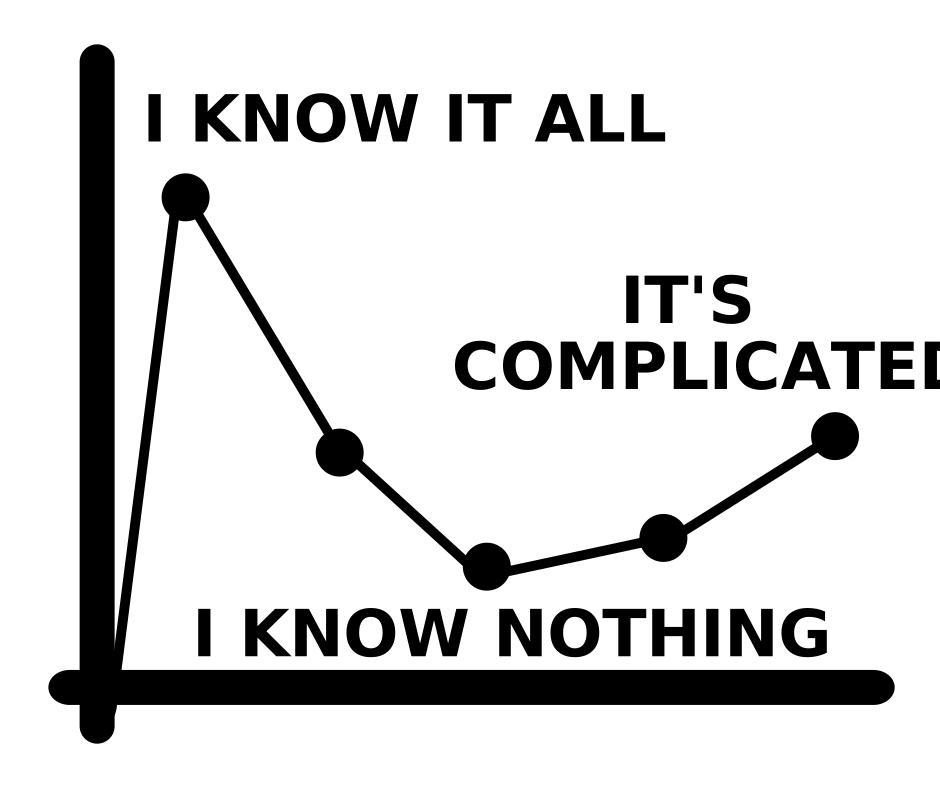
Dunning–Kruger Effect
Learning a New Skill: Acknowledging that early progress can create a false sense of mastery helps learners stay humble and keep practicing.
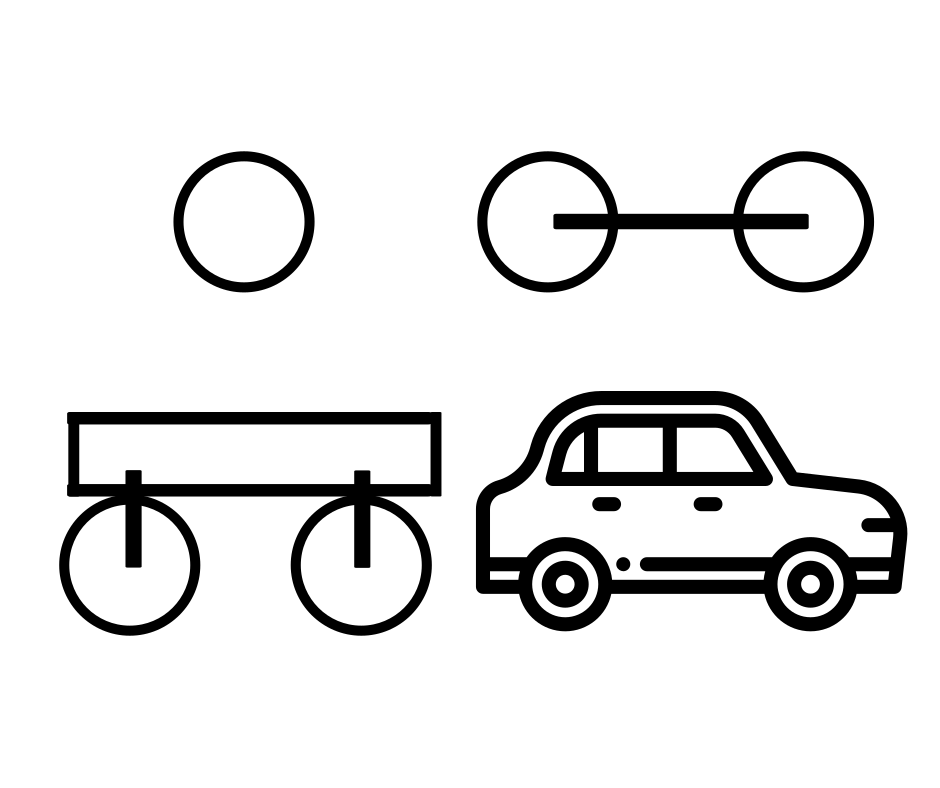
Gall's Law
Learning a language: Learn essential phrases before studying full grammar theory.

Flea In a Jar
Learning a New Skill: Struggling at the start (like with coding, music, or public speaking) doesn't mean you're not capable. Persistence breaks the mental ceiling.

Five Love Languages
Apologizing: Expressing apologies in a manner that resonates with the other person's love language, leading to better understanding and healing.