Fitness planning
1 principle worth knowing here.
Similar situations
Personal Fitness Planning
SWOT Analysis
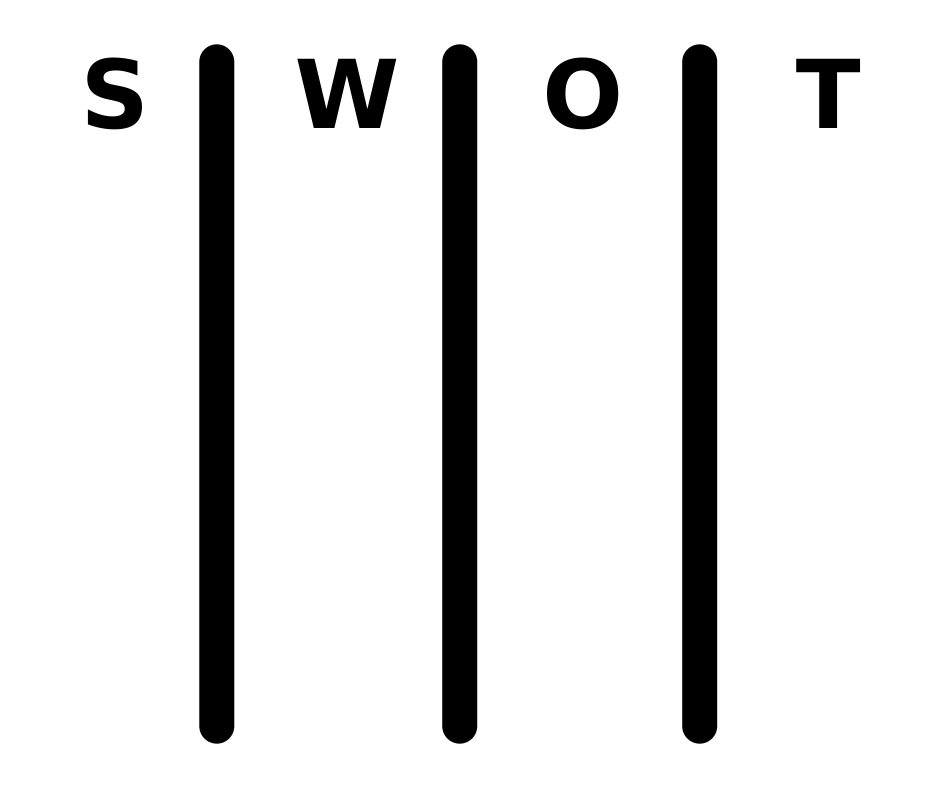
Your dedication (strength), busy schedule (weakness), new fitness trends (opportunity) and health issues (threat) all shape a plan that works.

Fitness
SMART Goals
Specific, measurable exercise goals make it far easier to raise your overall fitness.
Fitness goals
Optimism Bias
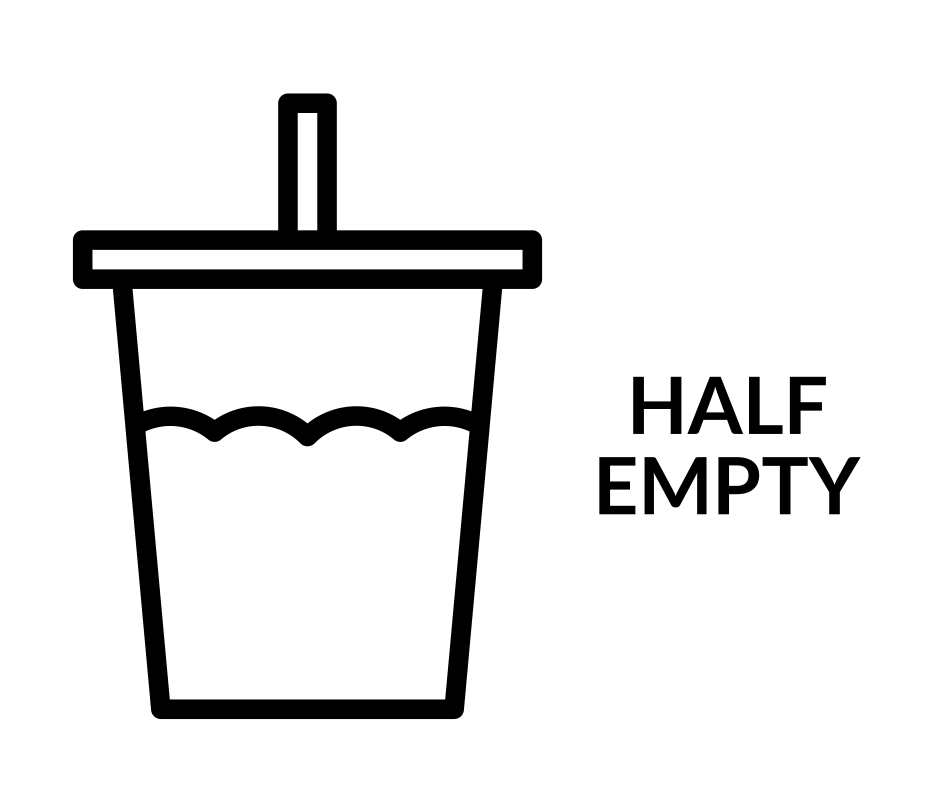
Setting fitness targets that allow for setbacks and slow weeks.
Fitness goals
Pessimism Bias
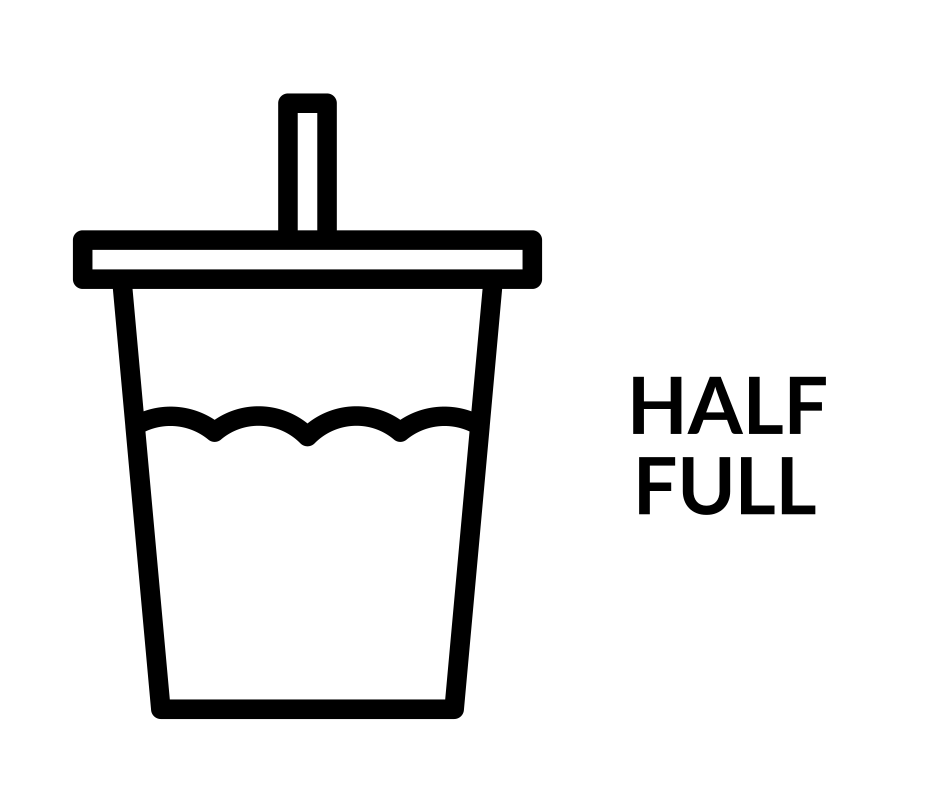
Setting realistic fitness goals and staying upbeat about your progress.
Fitness goals
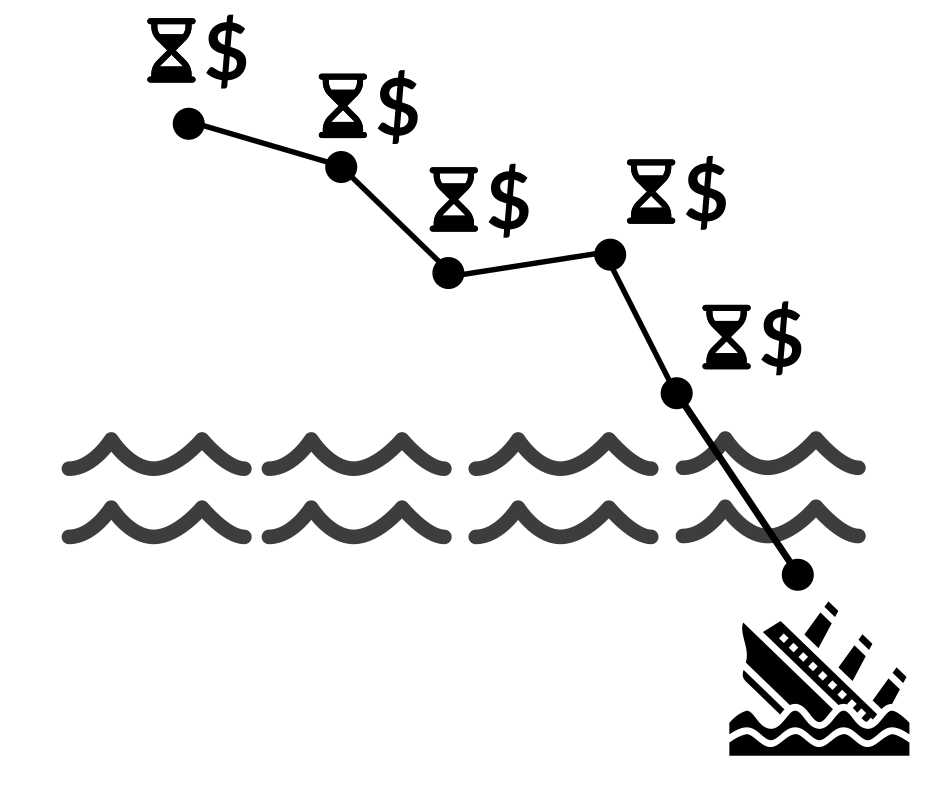
Sunk Cost Fallacy
Change a fitness routine that isn't serving you rather than sticking with it out of past investment.
Fitness Studio
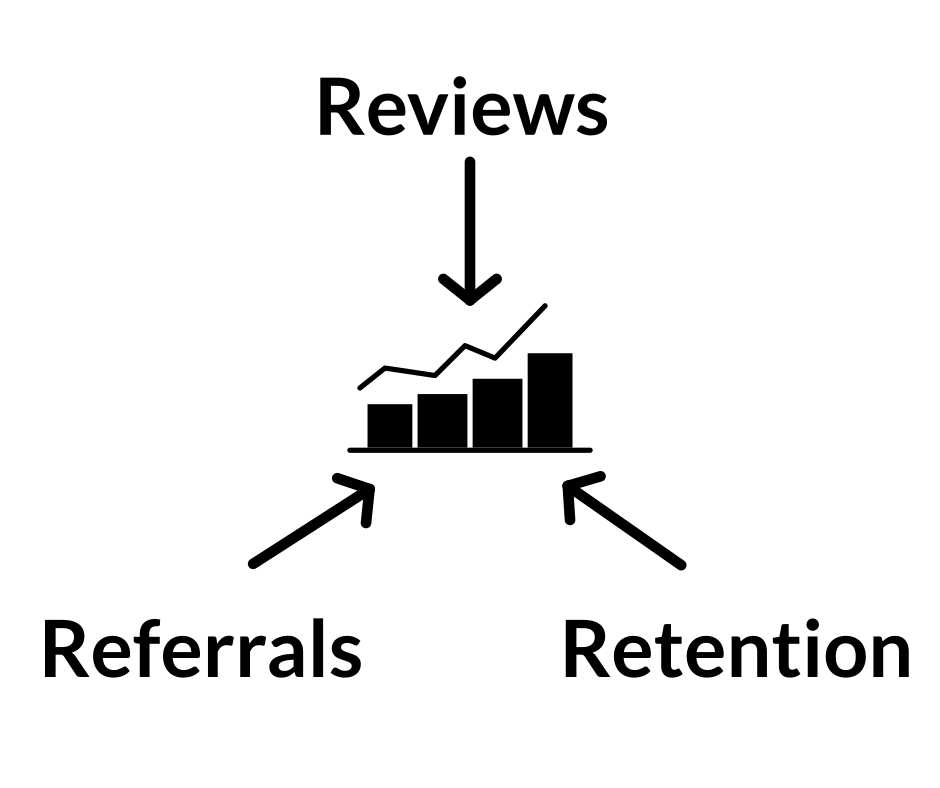
Three R's of Growth
Keep members with engaging classes and personal support, reward those who bring friends, and collect reviews on fitness platforms.
Fitness goals
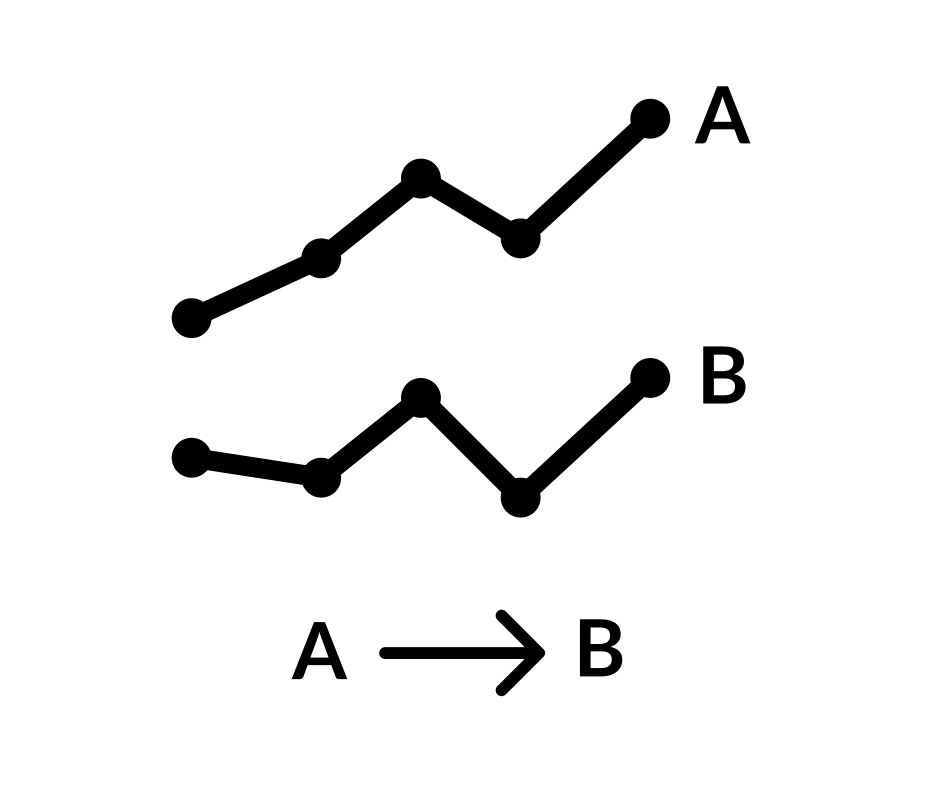
Correlation-Causation Fallacy
Not assuming that a habit correlated with results actually produces them helps you set realistic fitness goals and expectations.
Fitness Journey
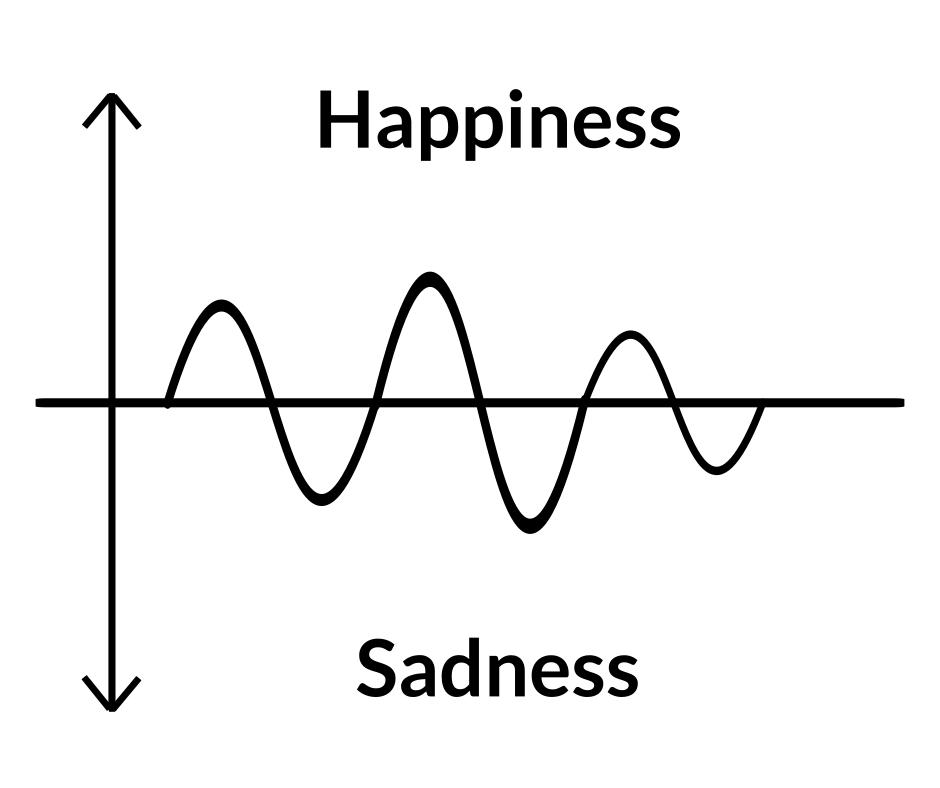
Hedonic Treadmill
The glow of hitting a fitness goal fades, so learn to enjoy the process and the habits rather than only the finish line.
Health and Fitness
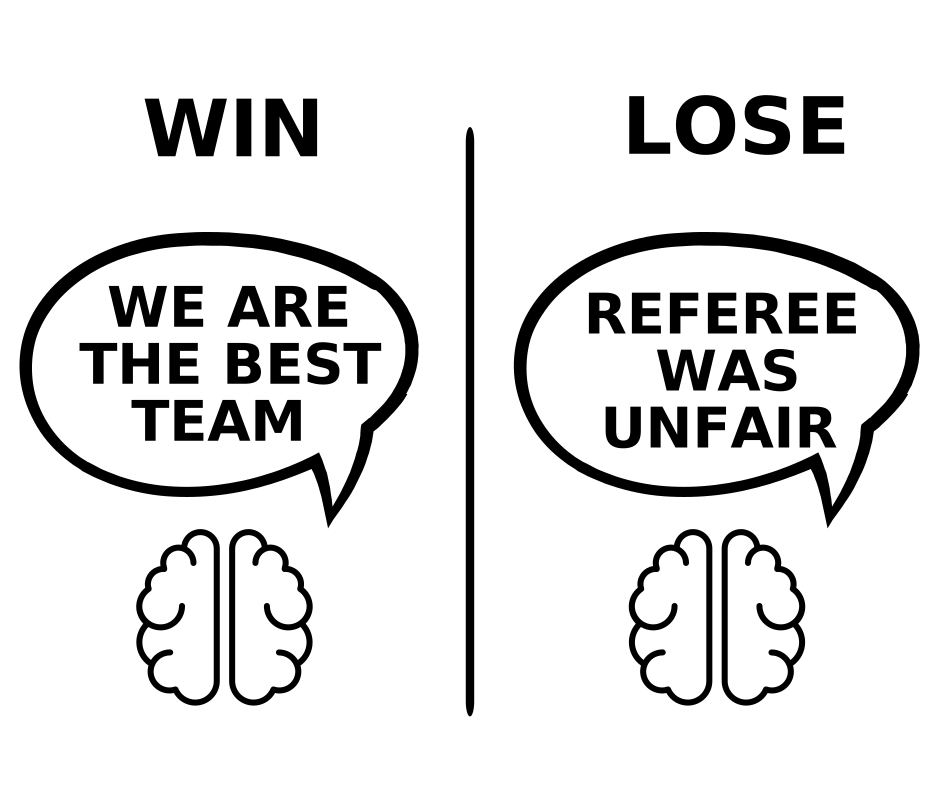
Self-Serving Bias
Seeing fitness results as the product of diet, training and rest together reduces frustration during setbacks.
Planning a project
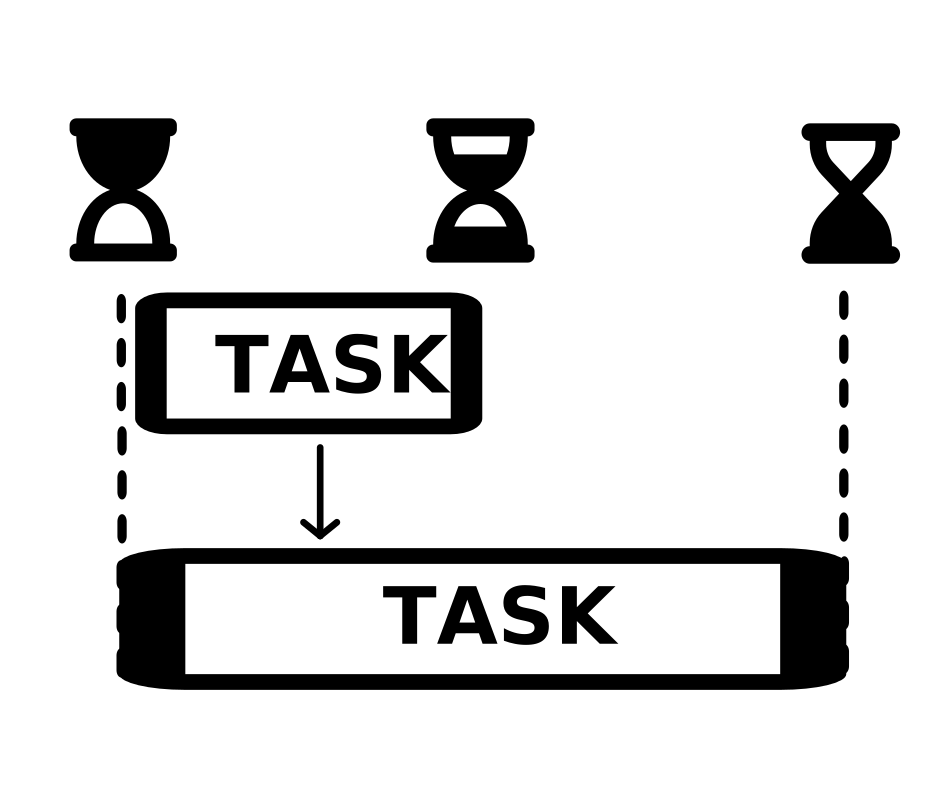
Parkinson's Law
A defined planning period keeps you from over-planning.